Main Camera Types Explained: A Complete Guide
"I want to buy a camera, but which kind should I get?" This is a common question for many people when they are choosing a camera.
As technology keeps evolving, the camera market has become highly specialized. In simple terms, today's camera market can be divided into five main types:
- DSLR cameras
- Mirrorless cameras
- Fixed-lens cameras
- Action and panoramic cameras
- Instant cameras (Polaroid-style)
If you are new to photography, you can start with this blog to learn the differences between these camera types and find the one that suits you best.
In this article, you will learn:
What Types of Cameras Are There?
1. DSLR Cameras
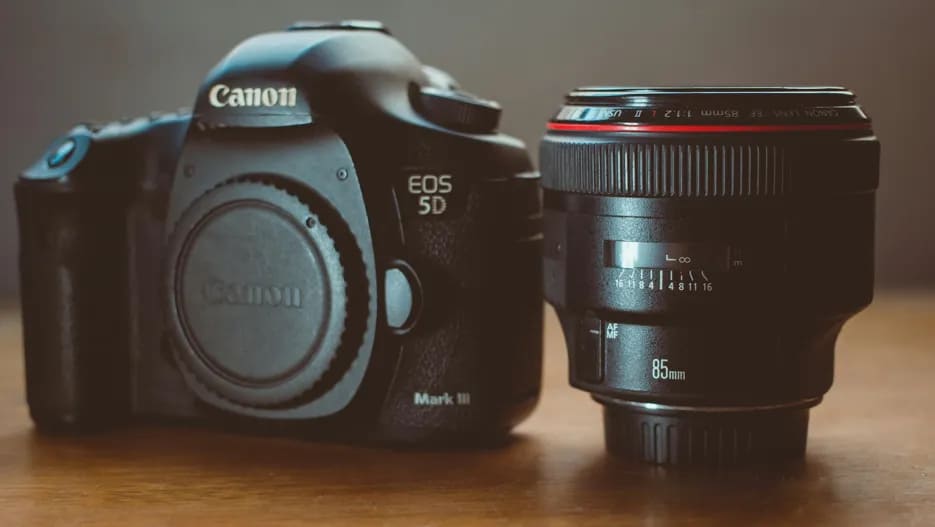
A DSLR camera, short for "single-lens reflex camera," gets its name from two key parts: "single lens" and "reflex."
"Single lens" means the camera uses one lens for both shooting and framing. This is worth pointing out because, before DSLR cameras, there were twin-lens cameras on the market.
"Reflex" refers to the mirror and pentaprism inside the camera. After light enters the lens, it first bounces off the mirror, then passes through the pentaprism, and finally reaches the viewfinder, so you can see the image in front of you.
The moment you press the shutter on a DSLR, the mirror flips up, and the shutter opens. With a clear click, that sound has become one of the most familiar memories of taking a photo for many people.
But as technology has kept moving forward, mirrorless cameras have gradually become the mainstream choice today.
Compared with them, DSLRs are usually larger and heavier. They also tend to lag behind mirrorless systems in areas like video autofocus and in-body stabilization. Today, most of the newest camera tech from major brands is focused on mirrorless cameras.
In fact, many major brands have already stopped developing new DSLR models. So most DSLRs you can buy now are used cameras.
Even though DSLRs are no longer the main focus of the market, they have not really disappeared.
With a mature optical system, a huge used lens market, and that direct, pure shooting experience, DSLRs still have a loyal group of users.
Even today, a well-kept used full-frame DSLR, such as the Canon EOS 5D Mark IV or the Nikon D850, paired with a classic prime lens, can still produce photos with excellent quality.
For people who care more about still photography, landscapes, portraits, or who want to start photography at a lower cost, a DSLR is still a solid and practical tool.
2. Mirrorless Cameras
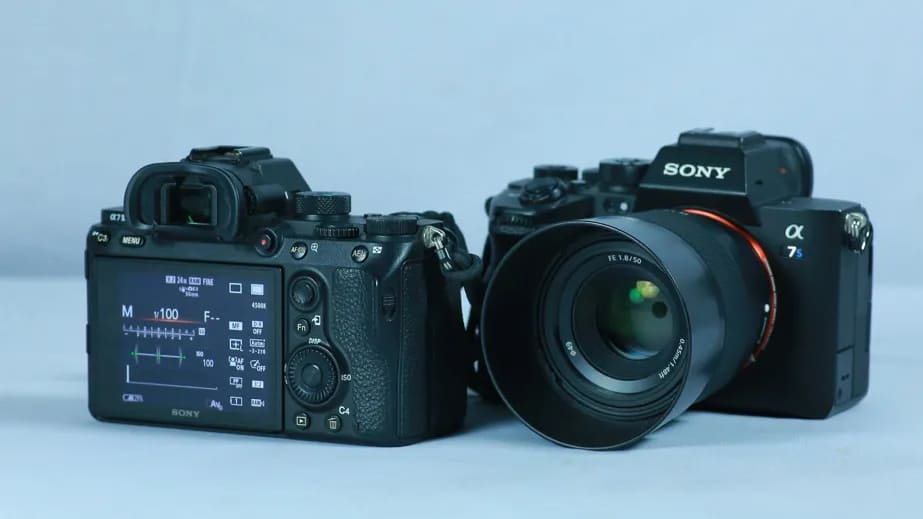
A mirrorless camera usually refers to a digital camera that has no mirror but still lets you change lenses. Today, it has fully taken over from the DSLR and become the main type of interchangeable-lens camera.
The biggest change in a mirrorless camera is that it removes the mirror and optical viewfinder. Instead, the sensor reads the image directly, and the camera shows it through an electronic viewfinder (EVF) or on the screen.
This change matters more than many people think. When you frame a shot, the brightness, color, white balance, and even the depth of field you see are often very close to the final photo.
This "what you see is what you get" experience not only lowers the chance of mistakes but also makes it easier to capture your creative idea more accurately. At the same time, removing the mirror makes the body smaller and lighter, which is better for everyday carry.
Mirrorless cameras were also made for the digital age, so they are usually stronger in autofocus and video. Face detection, eye tracking, fast burst shooting, and high-quality video are almost standard now. That is why many vlog creators and video shooters use them.
Mirrorless cameras usually do not last as long on a single battery as DSLRs, but carrying one extra battery usually solves that problem. In return, you get a lighter body and more complete performance.
3. Fixed-Lens Cameras
A fixed-lens camera is a compact camera that does not let you change lenses, but still offers excellent image quality and refined build quality.
The appeal of this type of camera mostly comes from its highly integrated design. While keeping the body as small as possible, it can still deliver very strong optical performance. In some cases, the image quality can even be better than that of an interchangeable-lens setup in the same class.
These cameras are usually made for photographers and photo lovers who want high image quality, but do not want to carry a full set of lenses.
At the moment, this category can be divided into three main design styles.
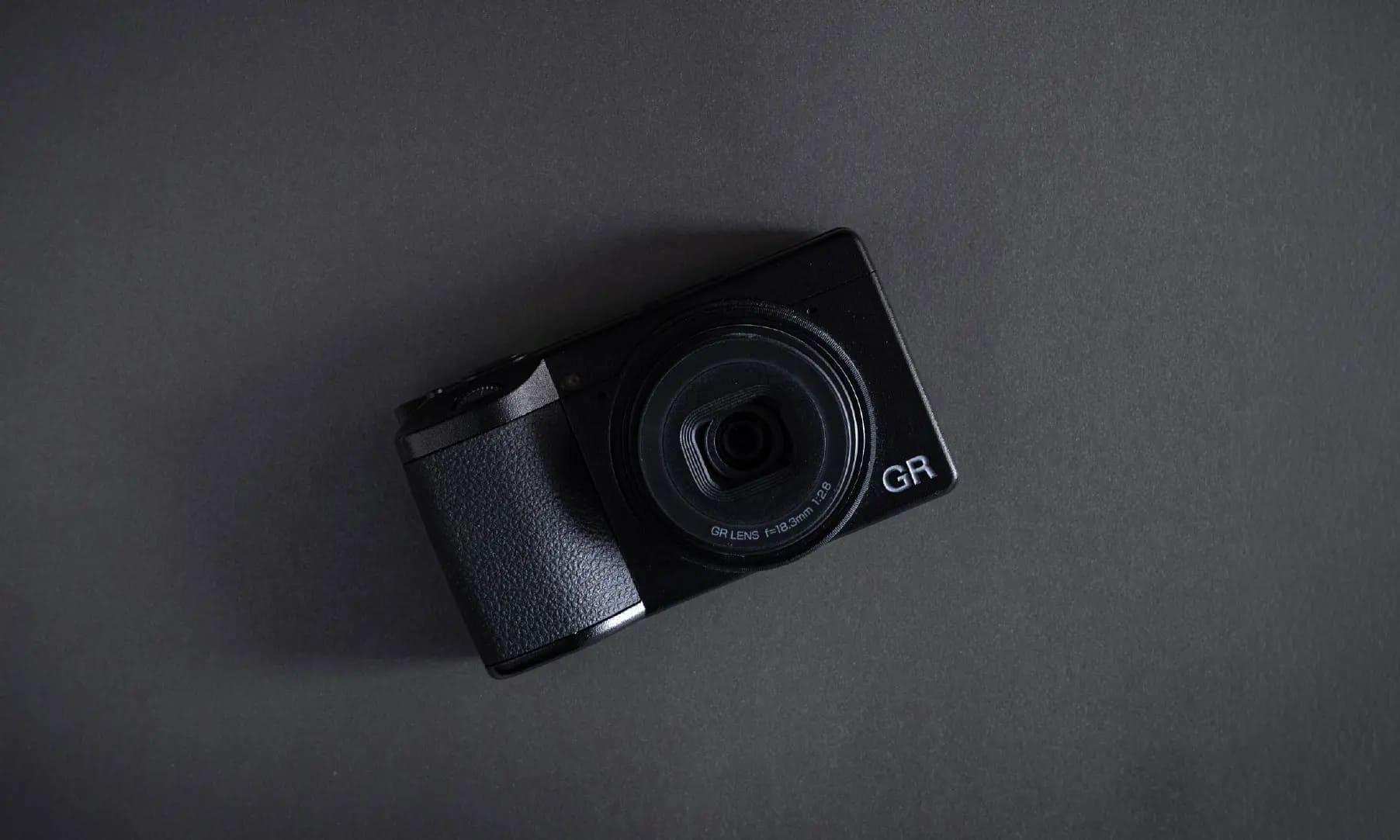
The Ricoh GR series is a great example of a fast, highly portable camera for street photography. It is extremely small, and you can turn it on and shoot one-handed. Its low-key look also makes it easy to blend in, so it rarely draws attention from people around you. That is why it is so popular with many street and documentary photographers.
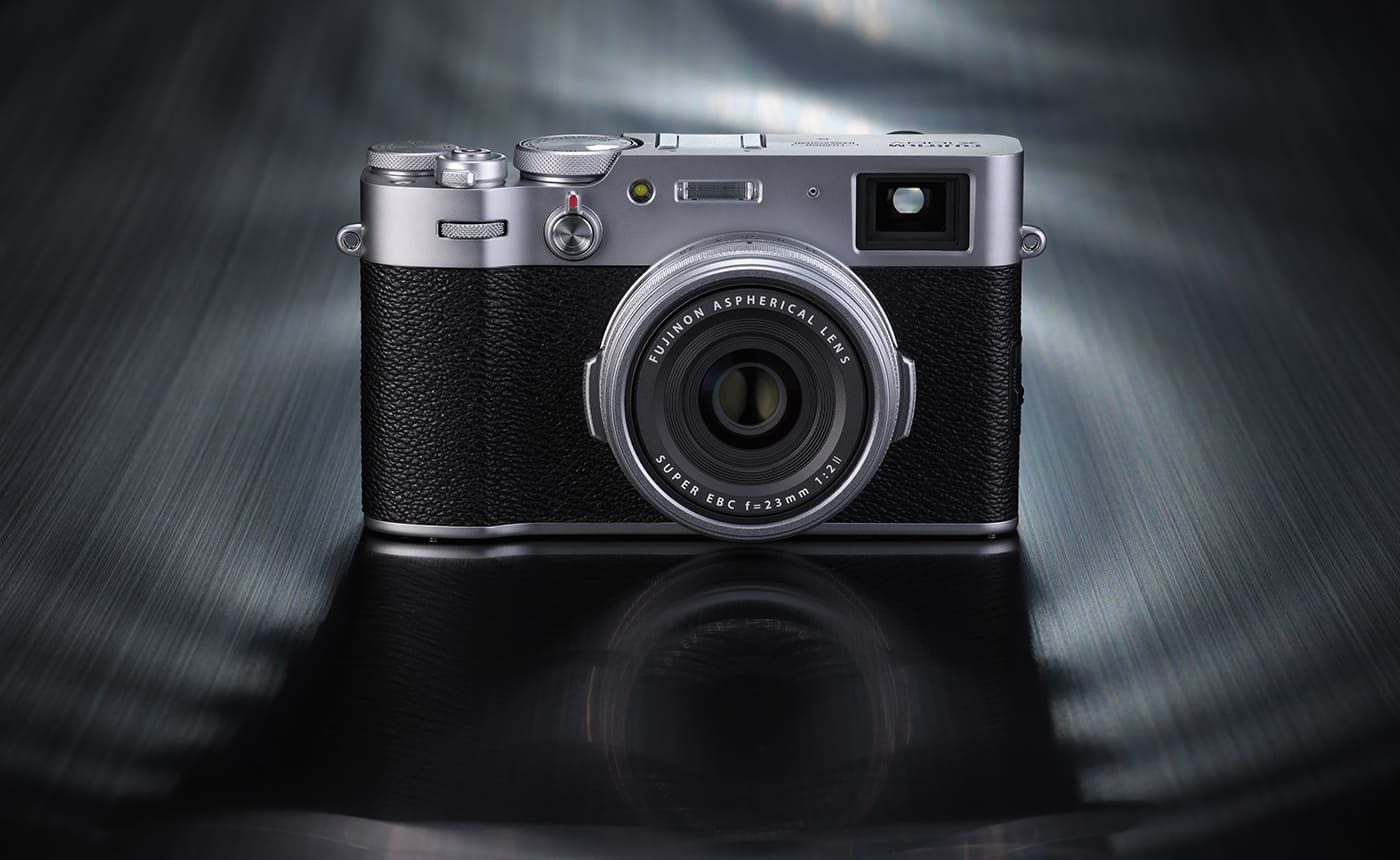
The Fujifilm X100 series is a more all-around camera that combines a retro look with practical performance. It has a classic rangefinder-style body, unique color rendering, and built-in film simulation modes that can give you photos with a strong film-like feel. The physical dials also make the shooting process feel more hands-on and special.
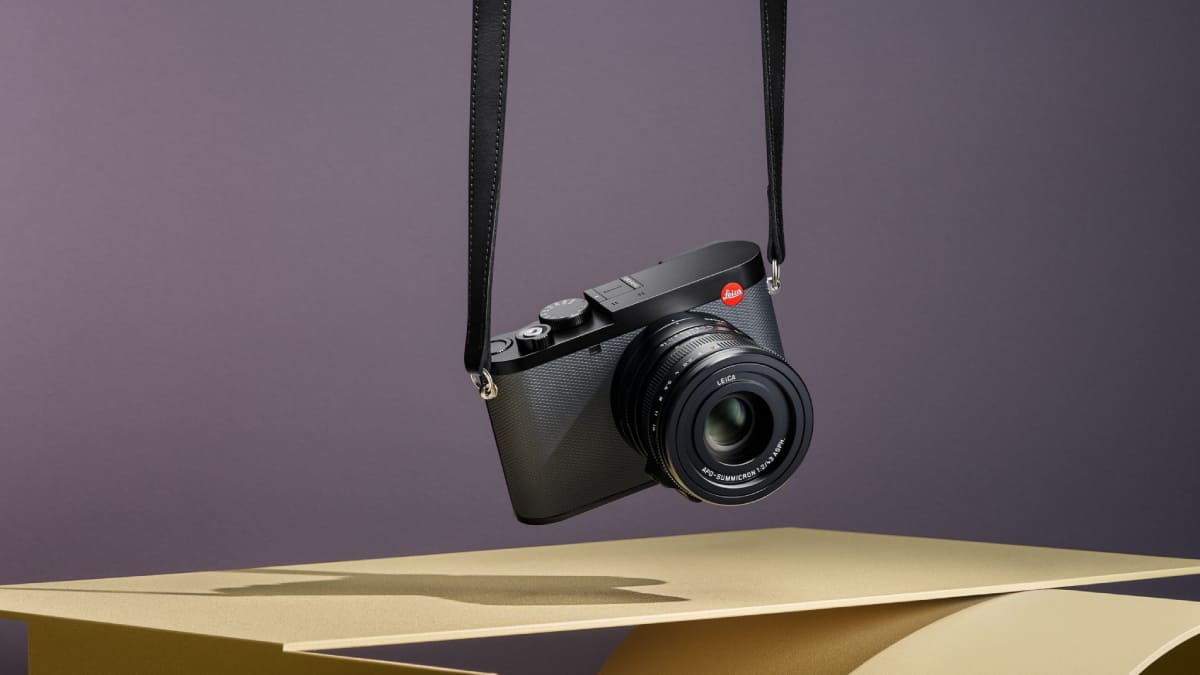
High-end models like the Leica Q series bring together top-level optics, a full-frame sensor, and a very simple control layout. It is fair to say that this series sets the standard for image quality and overall feel in the fixed-lens camera world.
4. Action Cameras and Panoramic Cameras
In recent years, action cameras and panoramic cameras have become very popular among young people and outdoor sports fans. They have also become a new growth area in the camera market.
Both types are made for moving scenes and creative angles. They make shooting go beyond traditional still framing and let you capture places that many regular cameras cannot easily cover.
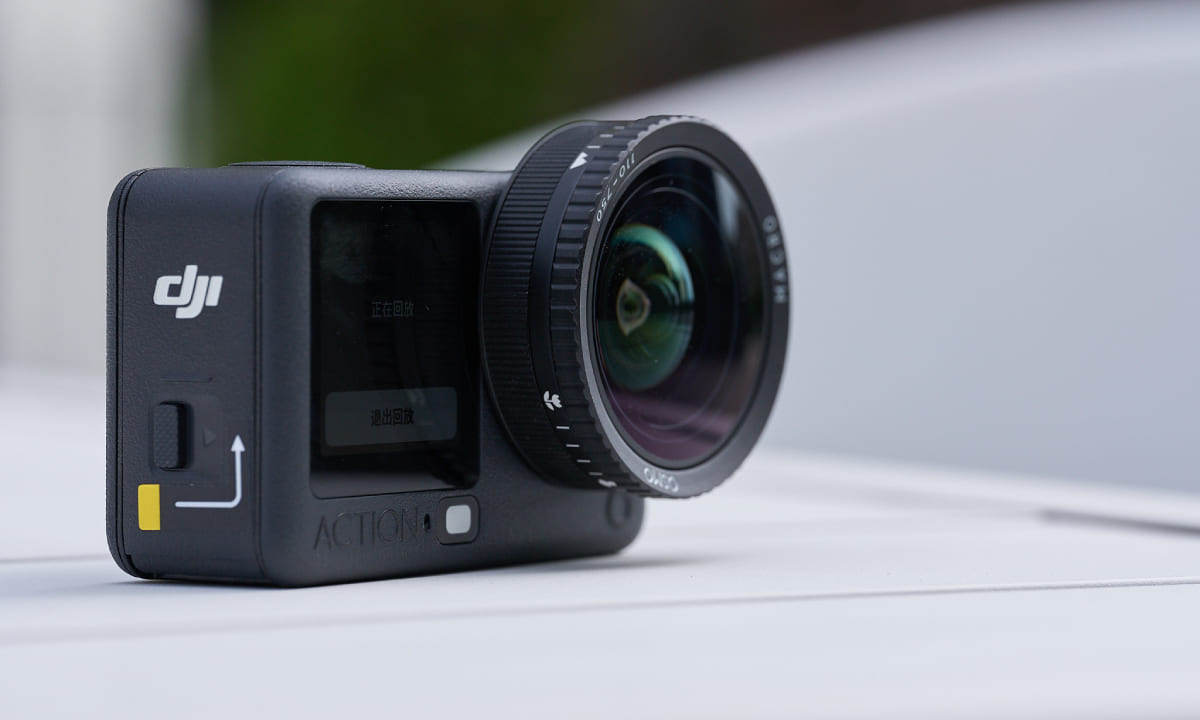
An action camera is, as the name suggests, a tough little device made for extreme sports and outdoor adventures.
It is usually small and built to last. Many models are even waterproof, shockproof, and dustproof without needing a protective case.
Its biggest strength is powerful electronic image stabilization. With this, you can mount it on a helmet, bike, snowboard, or surfboard. Even in very shaky situations, it can still record a fairly smooth first-person view.
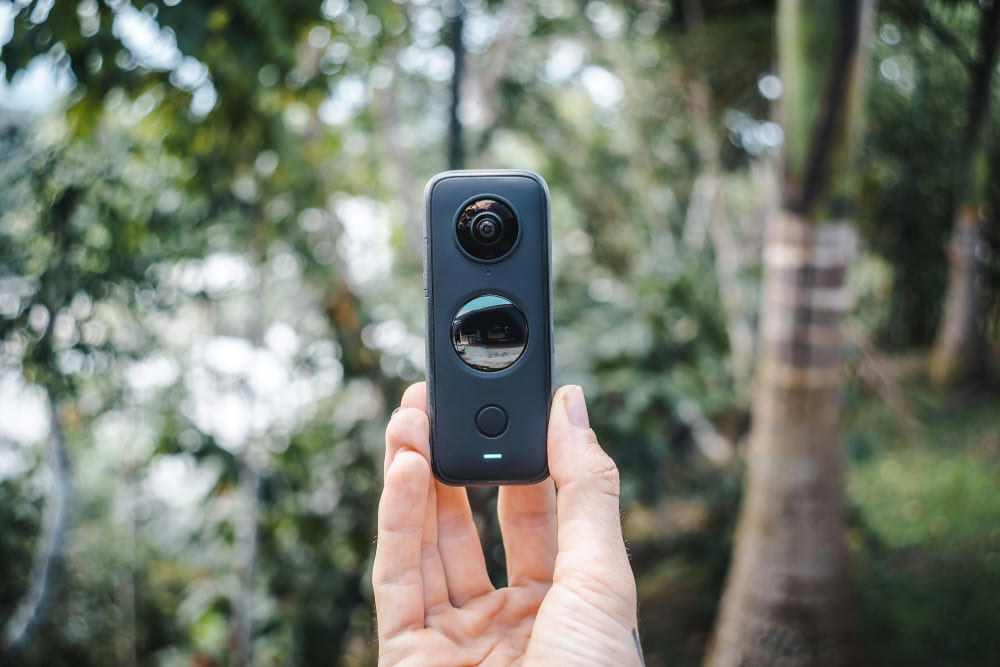
A panoramic camera is more like a camera that lets you frame the shot later.
It usually has two or more back-to-back fisheye lenses that can record a full 360° view around you at once. You only need to press the shutter when shooting. Later, you can choose the angle you want from the panoramic photo or video and export the final shot.
5. Instant Cameras (Polaroid-Style Cameras)
Instant cameras, often called "Polaroids," are cameras that let you take a photo and get a print right away.
After you press the shutter, the paper slowly comes out of the camera. Over the next few seconds or minutes, the image develops little by little until it becomes a one-of-a-kind physical photo.
Right now, this market is mainly led by two brands:
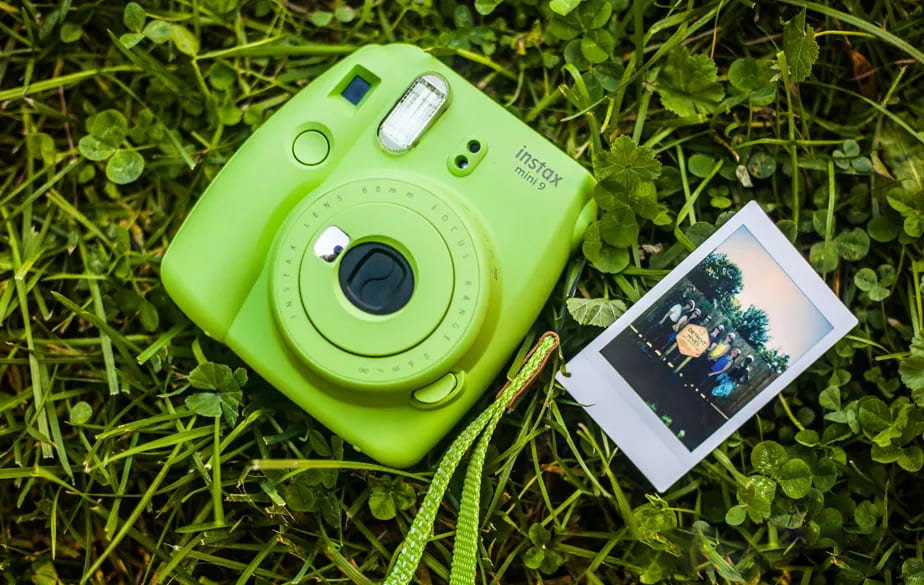
Fujifilm Instax: This is the clear leader in today's market. It offers a wide range of film sizes, such as the card-sized Mini, the square Square, and the wider Wide format. Overall, the image quality is steady, and the cost of use is still fairly affordable.
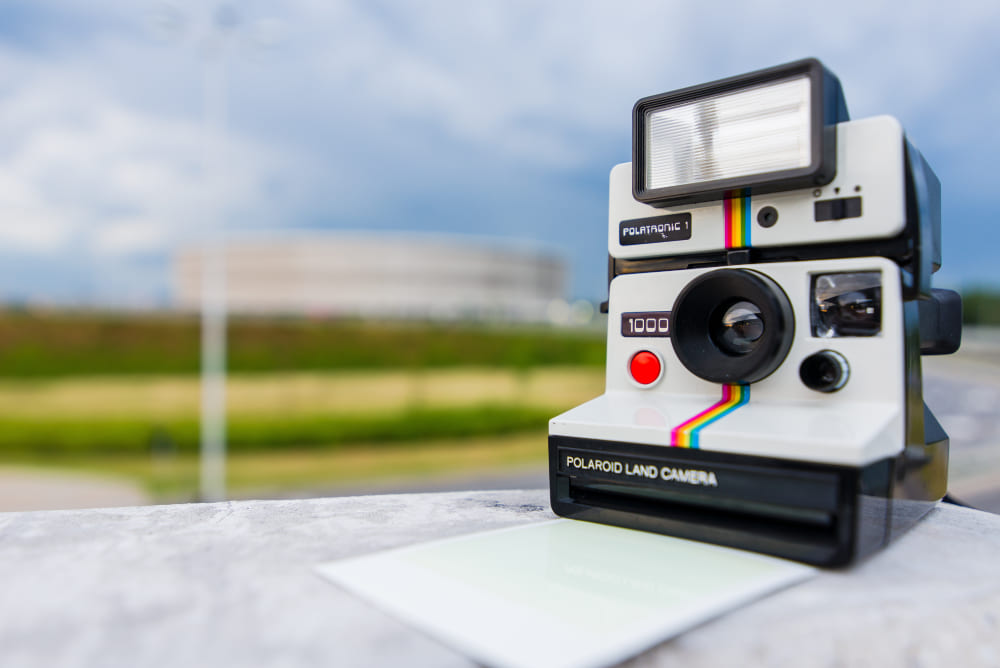
Polaroid: Polaroid feels more like a symbol of nostalgia and classic style. Its film is usually larger, and its images often have a unique retro look with some natural unpredictability. The price is usually higher, though.
The biggest appeal of instant cameras is that they turn a passing moment into a real photo you can hold in your hand or give to someone else. That "shoot and get" experience is hard to replace completely.
Conclusion
Today's camera market is no longer all about specs. No matter which type of camera you choose, it can handle your everyday shooting needs. Instead of getting stuck on numbers, it is better to think about which kind of camera fits your shooting habits.
Do you want a tough and reliable DSLR, a balanced and versatile mirrorless camera, or an action camera that can go anywhere with you? When choosing a camera, it helps to ask yourself how you want to see and record the world.
In the end, no camera type is clearly better or worse than another. What matters most is what you care about more: image quality and portability, shooting experience and control, or video performance and creative efficiency.
For many photography lovers, the real question is often not "Which camera should I buy?" It is whether they can build a smooth workflow from shooting to editing to creating.
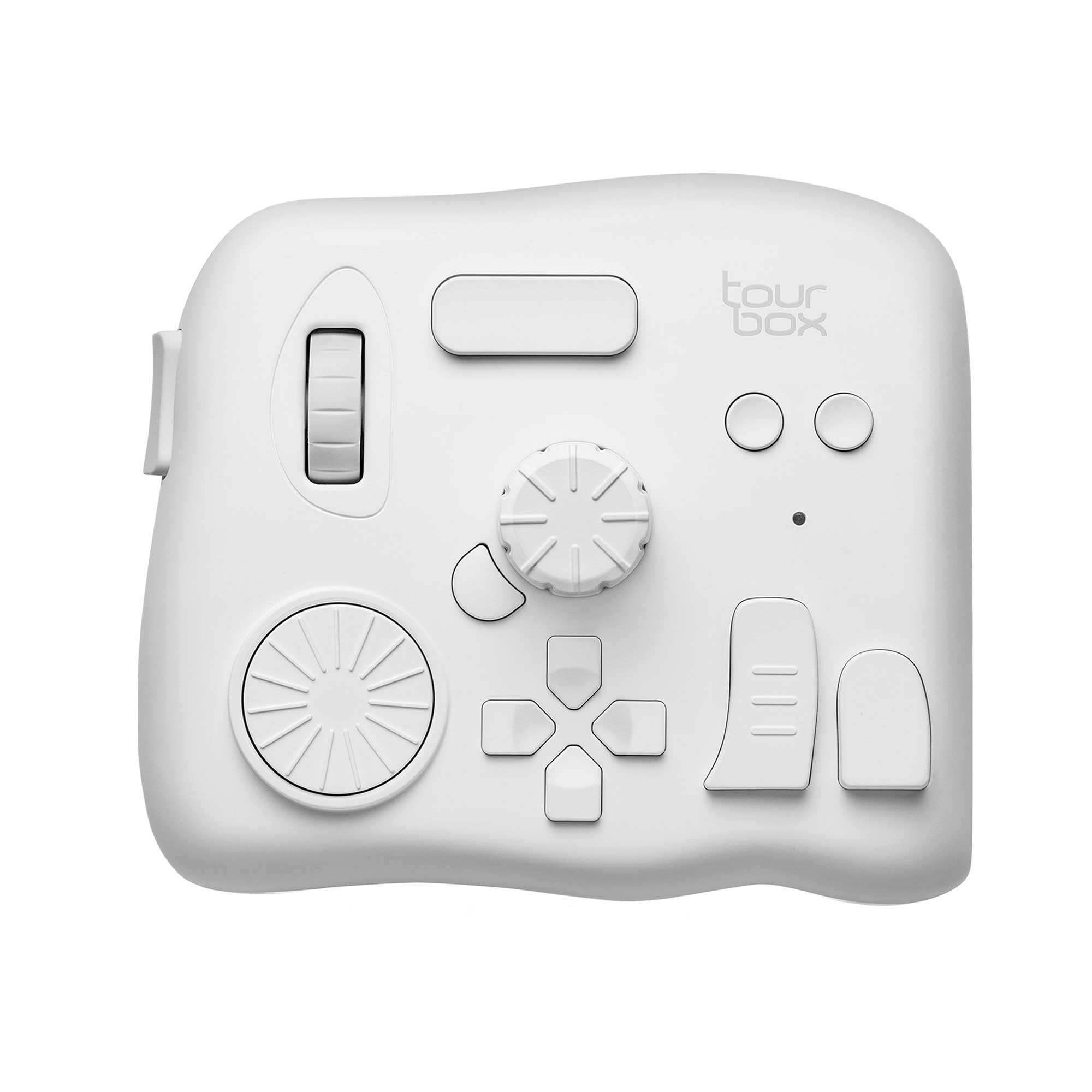
That is why, beyond the camera itself, it is also worth paying attention to tools that can improve editing efficiency. For example, a creative controller like TourBox can make common tasks in photo editing, color grading, and video editing easier, so your creative process feels smoother and more focused.
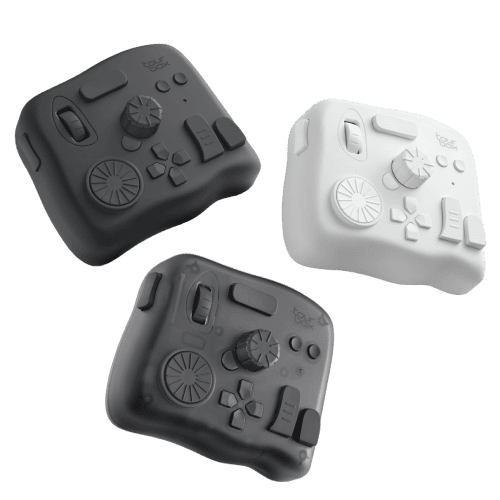
If you are interested in how TourBox can improve photo editing efficiency and help raise the quality of your final work, please click our Photo Editing page to learn more.


