Digital Camera vs. Phone Camera: Which Should You Choose?
As smartphone cameras keep getting better, a lot of people ask, "If phone photos look this good, do we still need a camera?" The answer depends on what you need.
In general, cameras, especially APS-C or full-frame DSLRs and mirrorless bodies, have larger sensors and use interchangeable lenses, so they can capture more light and finer detail. Smartphones focus on being compact and fast, so you can grab shots anytime, anywhere.
Today, we'll take a closer look at lens design, sensor image quality, video and post-production, controls, and real-world uses to compare the two. That should help beginner photographers make a smarter choice.
In this article, you will learn:
- Lens and Optical Performance
- Sensor and Image Quality
- Video and Post-Processing
- Controls & Handling
- Portability & Use Cases
- Digital Camera vs. Phone Camera: Which Should You Choose?
Lens and Optical Performance
1. Lens Design and Zoom
Professional cameras use interchangeable lenses. You can pick wide-angle, standard, telephoto, or macro lenses as needed. The camera's zoom is optical — it changes the lens's focal length physically. That keeps image quality high.
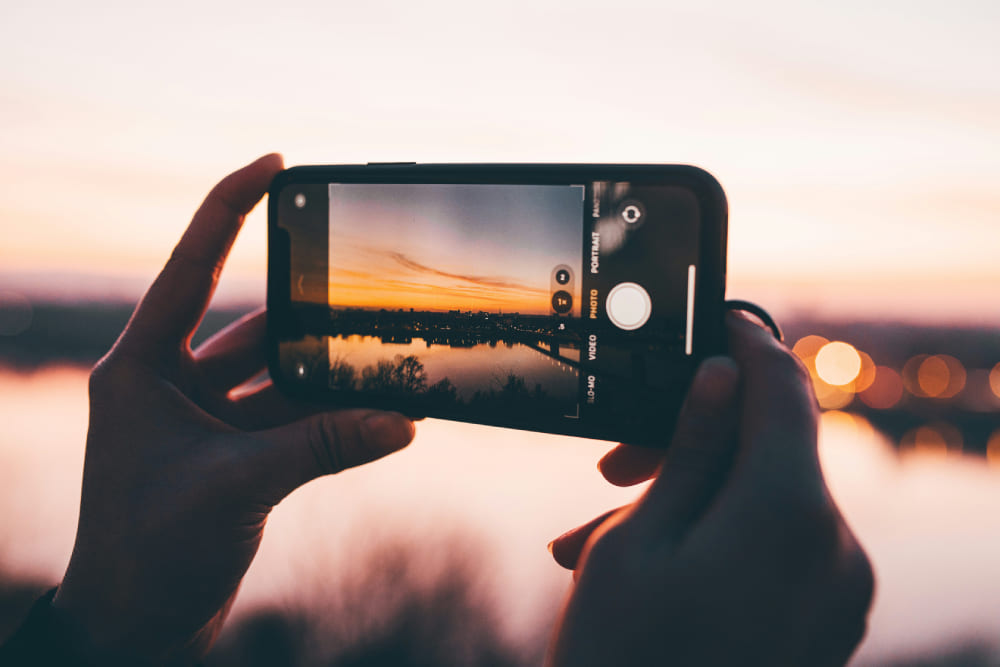
Smartphones usually have a fixed lens or several fixed-focus (prime) lenses. Some high-end phones use a "periscope" telephoto lens, but their true optical zoom is usually only around 2× or 3×.
Most phones rely on digital zoom (cropping and enlarging the image) to simulate more zoom. That lowers the detail.
In short, optical zoom keeps better image quality. Phone digital or hybrid zoom often sacrifices some detail.
2. Aperture Control and Depth of Field
Camera lenses are larger and can have adjustable apertures (for example, f/1.8 or f/2.8). Changing the aperture controls how much light enters and how shallow the depth of field is. That makes natural background blur easy to achieve.
Phone lenses are very small. Most have a fixed aperture, and only a few models offer limited aperture switching (for example, f/1.4–f/4.0). They can't adjust aperture as precisely as a DSLR or mirrorless lens.
Phones often use software to simulate a shallow depth of field. The result can look convincing, but it's not always realistic — you may see edge glitches or unnatural blur.
3. Image Stabilization
Camera lenses often have built-in optical image stabilization (OIS). This helps reduce shake when you shoot handheld. The heavier camera body also helps keep shots steady.
Smartphones commonly have OIS too, and they often add electronic image stabilization (EIS) plus AI-based smoothing for video. EIS, however, can struggle in low light or during fast, large movements.
Overall, cameras usually perform better at stabilization in low light and at high zoom. For everyday shooting, though, modern phones' stabilization can be excellent.
Sensor and Image Quality
1. Sensor Size
Cameras commonly use APS-C or full-frame sensors. These are much larger than phone sensors, which are usually around 1/2.3" to 1/1.7". A larger sensor captures more light, so images stay cleaner in low light.
In some lab tests, a typical phone sensor can collect less than 1/20th the photons a 35mm full-frame sensor gets under the same exposure. That's why phones are more prone to noise.
Further Reading:
How to Reduce Noise in Images: Tips for Shooting and Editing
Bigger sensors also tend to have wider dynamic range. They keep more detail in bright and dark areas. Phones try to close the gap with HDR and multi-frame noise reduction, but you still have less room to tweak things in post compared with a camera's native capture.
2. Image Quality and Detail
Professional cameras have better optics and bigger sensors. That usually means more natural color, higher resolution, and finer detail.
For example, a large-aperture lens keeps more subject detail in low light and gives smoother transitions and sharper results. Phones can produce impressive images thanks to high pixel counts and smart processing, but when you zoom in, you may see processing artifacts like over-sharpening or color shifts.
If you judge only by raw image quality, cameras still have the edge. Phones are closing the gap fast, though, thanks to improved algorithms and AI.
Video and Post-Processing
1. Video Recording Capability
Modern flagship phones can record in 4K — and some even offer 8K. They usually include video stabilization and decent built-in microphones. Because everything is packed into one device, phones make it easy to shoot and share on the spot.
But phones have limits: battery life and heat can cut recording time. And with a small sensor, phones usually have less dynamic range and show more noise than professional cameras.
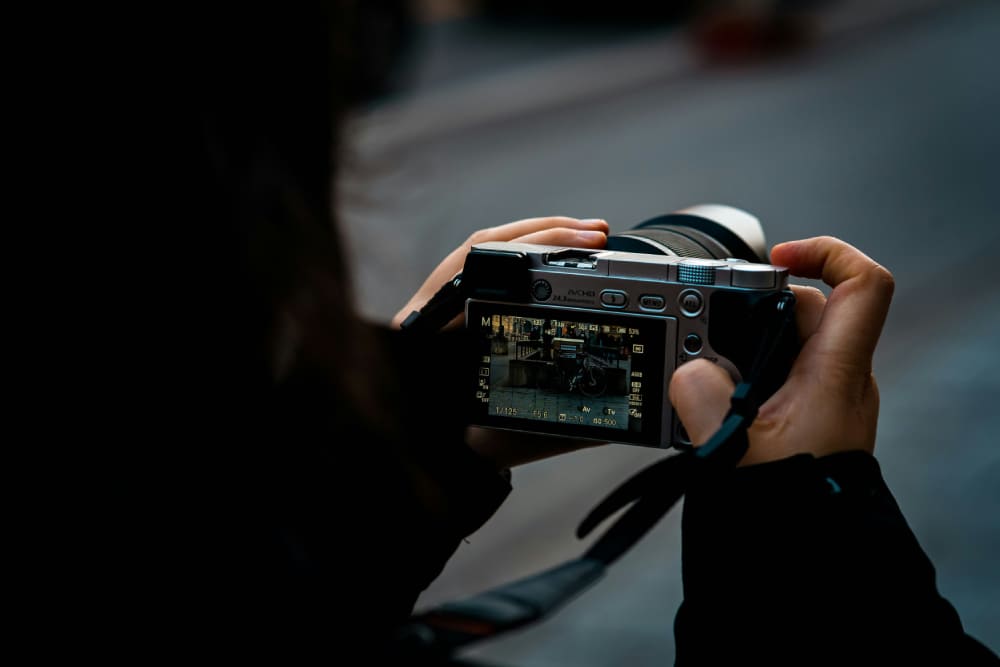
Professional cameras and mirrorless bodies perform better for video. They have larger sensors, more frame-rate options (good for slow motion), and interchangeable lenses for different focal lengths. You can also attach external mics and gimbals, which makes them stronger choices for films, documentaries, and professional video work.
2. Post-Processing
Most phone photos and videos are saved in compressed formats like JPEG or HEIC. The phone's built-in processing — HDR stacking, multi-frame noise reduction, face-priority focus, beauty filters, and so on — automatically boosts the final result. That's great for quick sharing, but it can sometimes look over-processed or a bit "plastic."
Cameras can export RAW photos or LOG video, which keep much more image information. That gives you far more flexibility when editing and color grading. The trade-off is that RAW/LOG needs professional software and more time to get a polished final result.
When your camera shoots RAW or LOG files that need more editing, a more intuitive, faster way to work makes tedious tweaks feel easier.
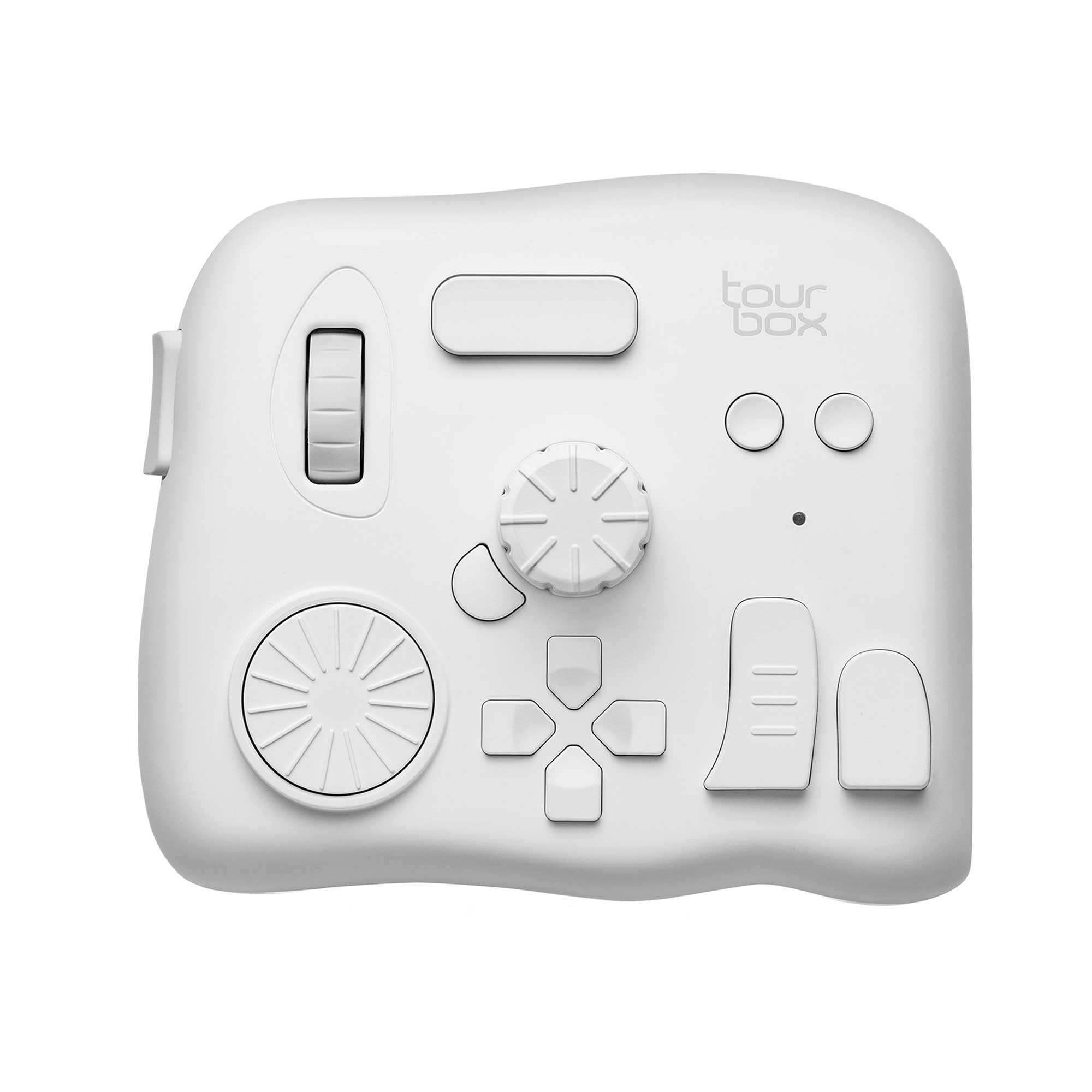
TourBox is a compact hardware controller made for photographers and creators. Its knobs, dials, buttons, and shortcut keys are all customizable, so you can map common tools — exposure, white balance, curves, color wheels, and more — directly to physical controls.
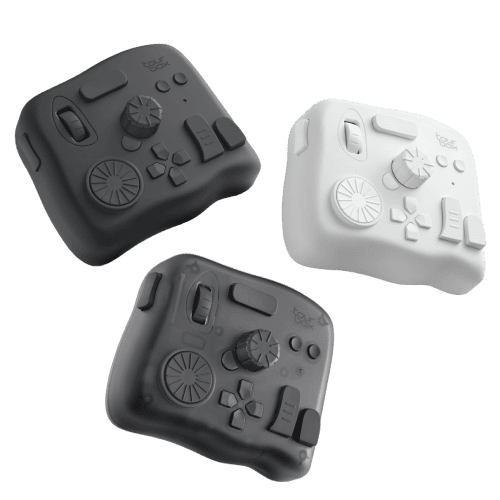
That cuts down on switching between mouse and keyboard, lets you make finer adjustments, and makes color grading and retouching feel smoother and more natural. It's easy for beginners to pick up and powerful enough for pros.
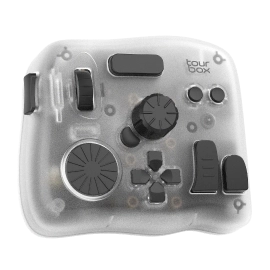
Add TourBox to your workflow to speed up your edits, reduce repetitive strain from tiny tweaks, and free up time to focus on the shot and your creative ideas. Want to learn more? Visit our Photo Editing page.
Controls & Handling
1. Phone Controls
Smartphones focus on being simple and easy to use. Open the camera app, and you can start shooting right away. The phone picks exposure and focus automatically. AI scene detection, face recognition, and automatic HDR help beginners take nice photos quickly.
Some phones also have a Pro mode for manual adjustments, but most shooting is still handled by software.
2. Camera Controls
Professional cameras give you full manual control. You can set aperture, shutter speed, ISO, and focus mode precisely. That lets you create specific looks, like motion blur or freezing fast action.
This takes some learning, but it gives you much more creative control.
In short, phones make shooting simple and automatic, while cameras let you decide every setting and fully control the image.
Portability & Use Cases
1. Portability
Phones are small and always in your pocket. They're great for capturing life on the go. For street photography, travel, vlogging, and food shots, phones win with fast startup and instant preview/share. Many pro photographers also use phones to grab quick ideas or test shots.
Cameras are bigger and need more prep (mount a lens, carry a tripod, etc.). Using a camera often feels more deliberate. They're better for planned shoots like landscapes, studio portraits, commercial work, or weddings that need careful composition and lighting.
2. Use Cases
Overall, phones are ideal when speed and portability matter and lighting is decent — think everyday street scenes, small indoor events, and short-form video.
Cameras are irreplaceable for high-demand shoots: large prints, complex lighting, night landscapes, portrait sessions, or fast-action sports. Their higher image quality and choice of lenses make a big difference.
Many creators use both: a phone to capture quick ideas, and a camera for final, controlled work.
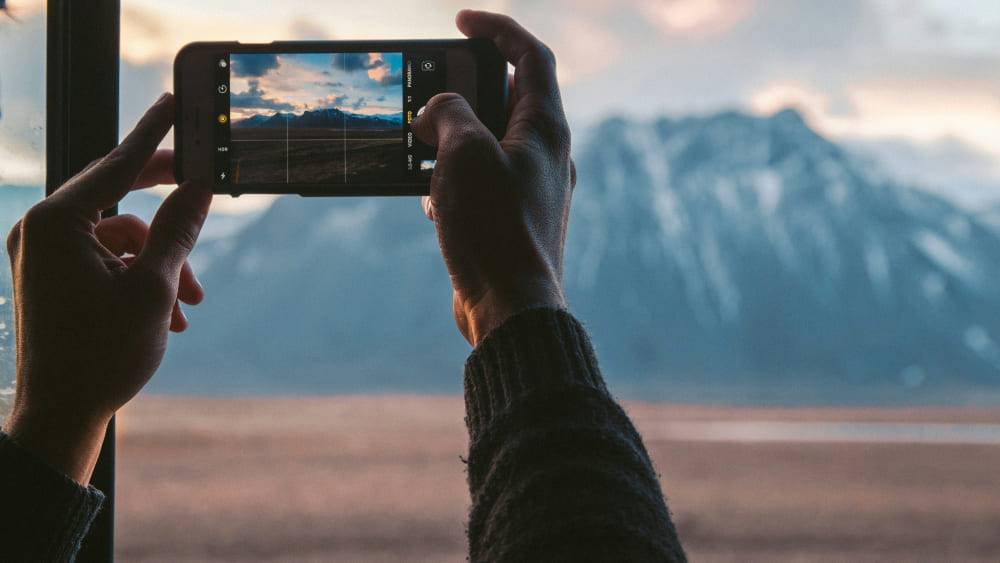
Digital Camera vs. Phone Camera: Which Should You Choose?
If we define the two types simply, phone photography focuses on portability and instant sharing. It's great for beginners and everyday use. Camera photography puts more emphasis on image quality and creative control. It's better for situations where you want professional results.
There's no single right answer — it depends on what you need to shoot. If you care most about speed and ease, use your phone and its smart automatic features to capture moments. If you want higher image quality, more creative control, and more room for editing, a camera is the better choice.
Base your decision on the subjects and style you want to shoot. Gear alone doesn't make a great photo — your eye and creativity matter more.
If you're just starting, practice composition and working with light using your phone. Try the phone's Pro or manual mode for some basic manual settings. When you really need higher-quality images, you can always upgrade to a camera later.


