How to Become a Manga Artist: A Practical Guide
Most people who want to become a manga artist probably got the idea after reading great Japanese manga like Dragon Ball, One Piece, or Naruto. They think, "I want to draw comics like that too!"
In this tutorial, we'll share some practical tips on how to become a manga artist. So, let's get started.
In this article, you will learn:
- Start with Short Manga
- Develop Your Manga Mindset
- 4 Key Elements of Manga Creation
- Practical Checklist
Start with Short Manga
Most people who want to be manga artists get the idea after reading a long series that moved or amazed them.
If you want to be a manga artist, don't expect to write a long series right away. No magazine will hand a long serialization to a complete newcomer. And online, people usually won't pay much attention to a new artist's long work.
Most importantly, new creators usually don't yet have the skills for long works — both storytelling and drawing take time to develop.
Many great manga artists began by publishing short stories. Akira Toriyama, for example, has many well-known short works. Hitoshi Iwaaki, the author of Parasyte, had already planned his big historical project Historie before he debuted.
But Iwaaki didn't start by drawing that huge story. Big historical or epic works need strong long-form skills. It's better to wait until you have the ability, or your idea might go to waste.
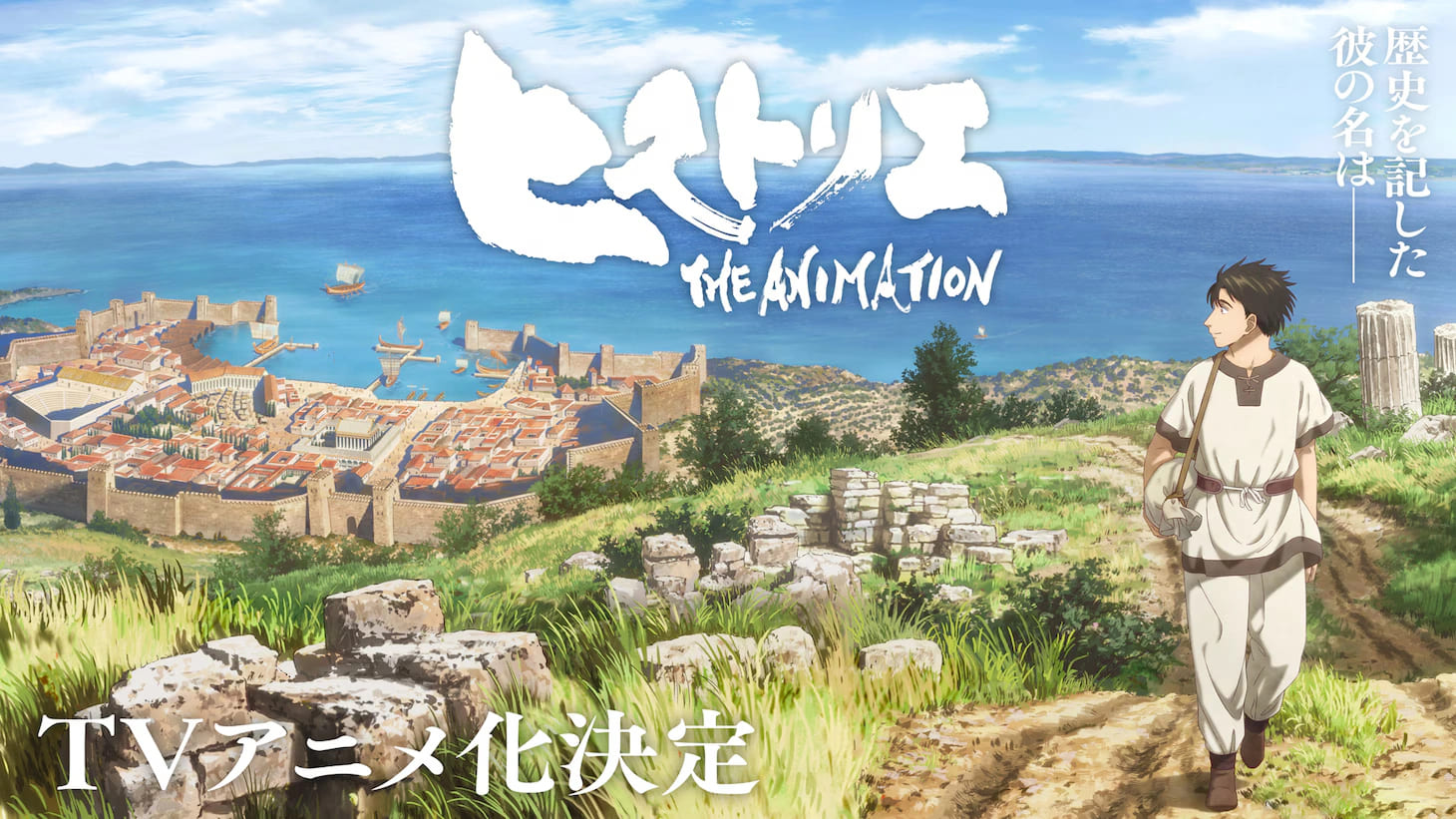
Historie
What's the difference between long and short manga? The most obvious is length — short manga are usually 16–32 pages, while long series can run for thousands of pages. Short manga tell one continuous story from first page to last. Long manga link different arcs and parts together. Their structures are different.
So if you want to be a manga artist, start by making short manga. Use them to train your drawing and storytelling. Practice finishing a full story within a small page count. Once your skills are solid, then try a long series.
Develop Your Manga Mindset
What makes a manga artist different from ordinary people? What are they really good at?
Many people who want to be manga artists have asked these questions. A lot of them try to copy the drawing tricks of master artists. They hope to find a shortcut to becoming a manga artist. Still, they often feel a barrier they can't get past.
The first step in making a manga is writing a script. So what is the first step in writing a script? It is the idea. That means breaking with the usual and creating something new. And the starting point for a manga idea is a manga way of thinking.
If you plan to become a manga artist, you will see many guides about story ideas, script techniques, drawing skills, and art theory. But all of these have to deal with one key idea: the manga mindset.
What is the manga mindset? It means turning your inner thoughts and feelings into images. It means showing those images clearly and in motion, using manga techniques.
Famous manga artist Akira Toriyama is a great example of someone with a very strong image sense. When he read about historical figures in school books, he could turn the words into portraits and remember them. For example, when he read about the modern writer Mori Ogai, Toriyama summed him up as "a stubborn old man" and reshaped him into a funny manga character in his own style.
When Toriyama reads a novel, if he cannot see the scenes in his head, he does not want to keep reading. After he became a manga artist, he set an even higher standard for this image sense. He dropped any idea that did not form a moving manga image in his mind. That is why the characters in his work are so lively. Each one has a clear personality and is hard to forget.
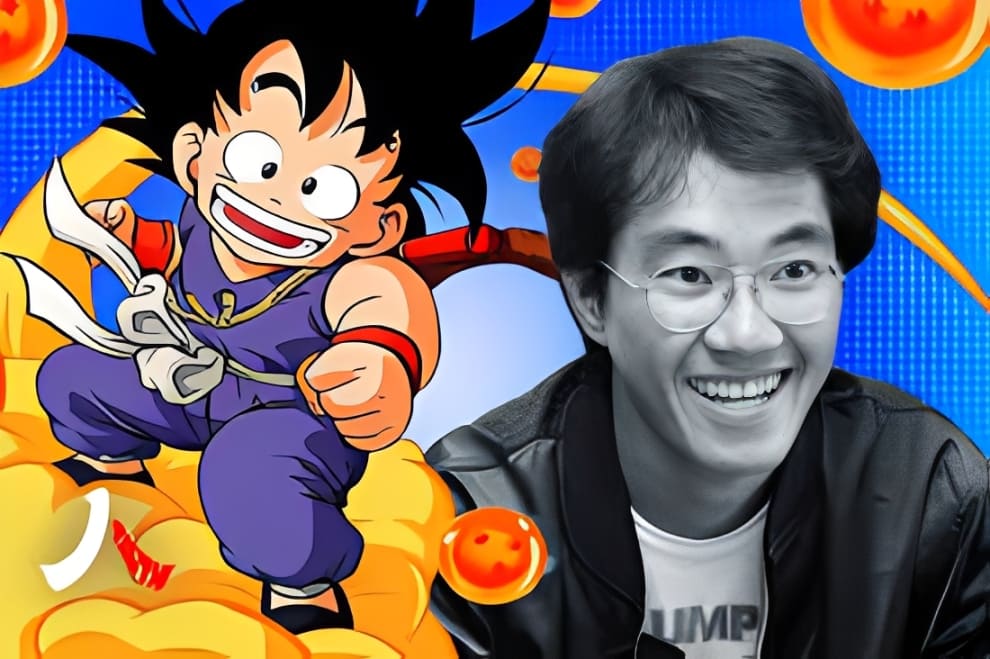
Akira Toriyama
Whether you have a manga mindset is an important measure of whether you can become a manga artist. So how can someone who does not have this mindset get it?
The answer is simple: read more manga and train your manga thinking on purpose. Once you are familiar with manga exaggeration and common patterns, try turning people or scenes from your life into manga.
4 Key Elements of Manga Creation
Any manga is made of two parts: the script and the artwork. The story side (the script) comes mostly from your ideas, creativity, and manga mindset. Here, we will focus on the artwork side.
If we break down the artwork process, we can see four main elements: page layout, direction (planning), drawing, and polishing.
1. Page Layout
Page layout means composition. It means dividing the manga page into panels and putting pictures and text into those panels. When you make a layout, pay attention to the two-page spread. In modern manga, one two-page spread usually has about 8–12 panels.
Sometimes, to create a big impact, a single panel fills the whole two-page spread. The best way to learn paneling is to copy. If you want to draw a certain type of manga, study professional manga in that style.
Also, show things with pictures whenever you can. For manga, using images instead of long lines of dialogue is a key rule.
 (1)_260204174559.jpg)
2. Direction (Planning and Staging)
Direction means planning panels and lines so the reader feels satisfied, moved, or excited. A manga is read panel by panel. So every panel needs to be arranged with care.
Close-ups of faces and eyes, cool poses, signature lines, big panels for special moves or transformations, huge reversals—there are many techniques. You can use the last panel of a chapter to make readers want to read the next part. This is a form of foreshadowing. It's one of the director's tools that works together with page layout.
3. Drawing
In manga, you draw whole bodies, parts of bodies, action poses, and emotions. Scenes with many characters, backgrounds, buildings, and props are also shown with pictures.
Modern manga needs a strong personal style. Try to mix realistic details from the real world with bold, anime-style exaggeration.
A short ad break: long hours at the desk can wear a manga artist’s body down. For example, Eiichiro Oda (author of One Piece) has had health issues from long work hours.
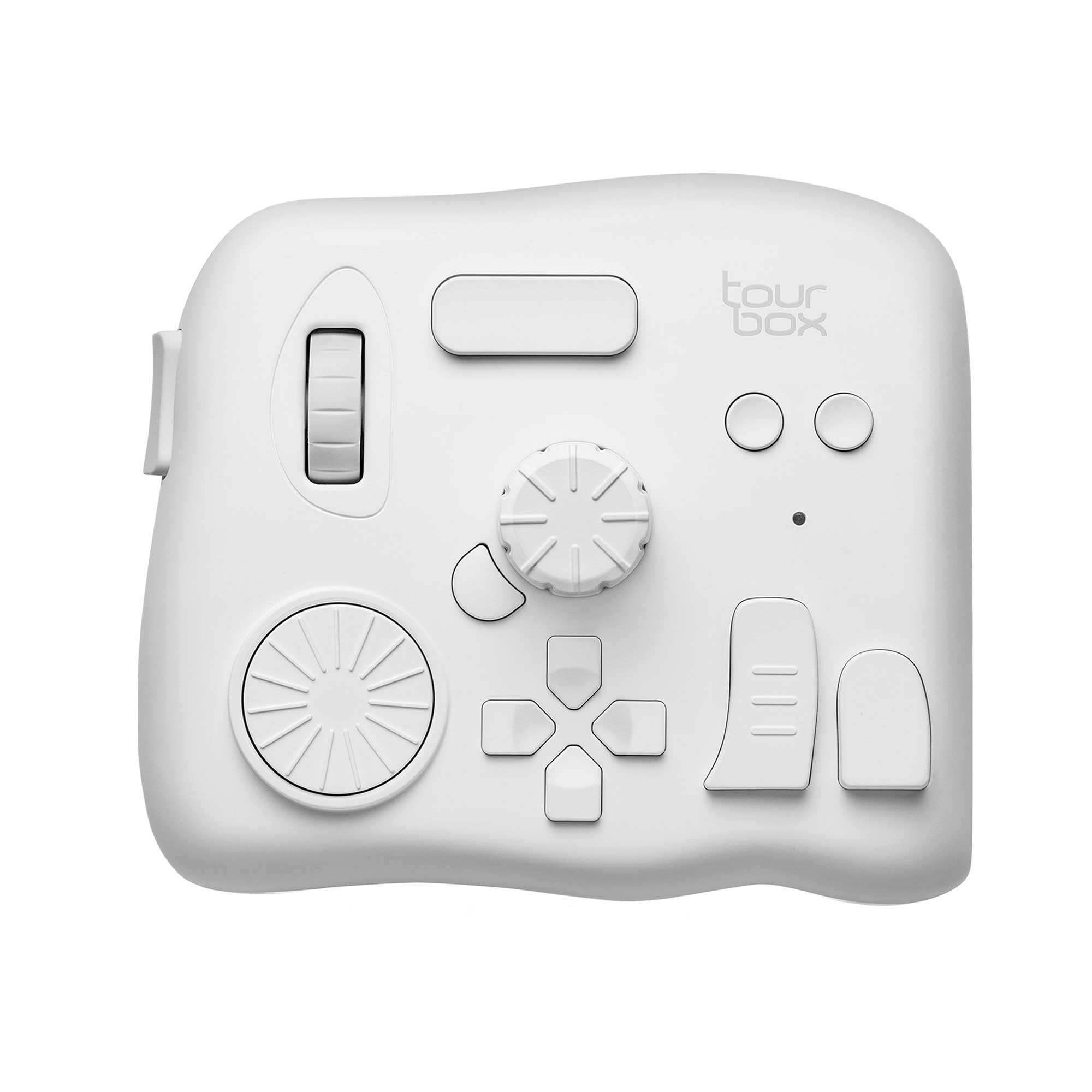
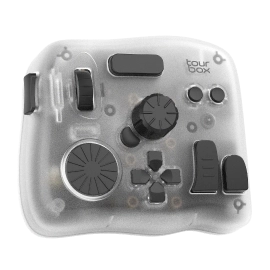
If you have a TourBox, you can simplify your workflow a lot. Its ergonomic design helps reduce hand fatigue. It can speed up your work and make drawing feel more like using a game controller, which adds to the fun.
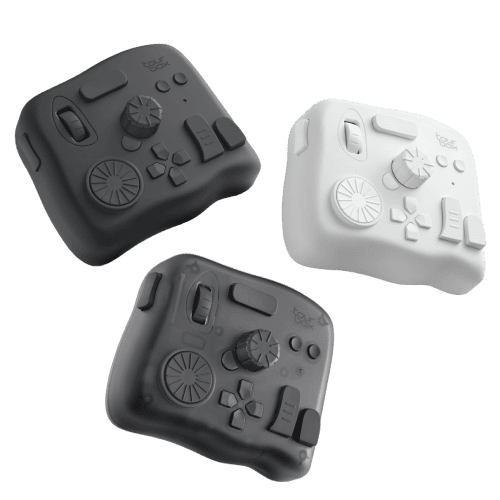
Hiroshi Maruyama (the creator of Ultraman Diga), horror manga master Junji Ito, and official Pokémon card artist Saitou Naoki are all TourBox users. If you're curious, check our Digital Painting page for more info.
4. Polishing
If you explain with words what the pictures already show, the final work will feel weaker. So you must check and polish the work.
Look for repeated or redundant info. Check for parts that could confuse readers. Make sure each character's words and actions match their personality.
Also, decide which shots you can skip and which need detailed drawing. Rebuild your panel layout by two-page spreads when needed. These steps are the core of the polishing process.
Practical Checklist
If you want to be a manga artist, you must be able to draw and tell stories. Below is a short, usable roadmap and practical tips. Use this list and keep practicing — you will improve.
1. Remember These 6 Things
- Fundamentals before style: practice anatomy, perspective, composition, and motion first.
- Story comes first: storyboards, pacing, dialogue, and conflict matter more than just pretty art.
- Read and analyze: read lots of manga and break down paneling and pacing.
- Practice regularly: draw every day and make a short piece or one page each week.
- Publish and get feedback: post your work on social media and manga platforms. Collect reader and peer feedback.
- Make a portfolio: 3–5 page short story + character sheets + a short synopsis. Get ready to submit or self-publish.
2. A Concrete Practice Plan
Days 1–30 — build basics & habit:
- Daily 30–60 minutes: quick figure sketches (sets of 30s–5min poses, at least 20 drawings).
- Daily 30 minutes: face expressions and hands close-ups.
- Weekly once: copy one page of a favorite manga’s storyboard. Note the pacing and composition lessons.
Days 31–90 — short story & storyboard training:
- Create a 4–8 page short (keep the story simple: beginning, development, turn, ending).
- Daily 1–2 hours: thumbs (thumbnails) → pencil draft → inks → tones/greys → lettering/sfx.
- Post one page per week. Collect feedback and use it to improve the next page.
Daily practice schedule (about 2 hours):
- 10–15 min: warm-up lines (straight lines, curves, circles)
- 30 min: figure sketches (different poses)
- 30 min: face / hands / clothing detail practice
- 30–45 min: small storyboard work (1–3 thumbnails)
- 10–15 min: wrap up & save references (mood refs, asset library)
3. Tools
- Software: Clip Studio Paint (best for manga), Photoshop, Procreate (iPad).
- Hardware: TourBox, Wacom Intuos/One, XP-Pen, iPad + Apple Pencil (pick by budget).
4. Keep a Healthy Mindset
Don't expect perfect work at the start. Learn to accept criticism. Pick out the helpful feedback and use it to get better. Keep learning long-term. Manage your time and your body — manga work can be hard on your shoulders, neck, hands, and eyes. Take breaks and protect your health.
If you want to be a manga artist, don't hesitate. Start now.


