Does Photography Need Post-Processing: A Simple Guide
Many photographers are very attached to "straight out of the camera" images. They believe that if a photo is not edited, it is the only real kind of photography. Other photographers feel that the image the camera captures is just the starting point, and that proper post-processing is what truly completes a piece.
So, does photography really need post-processing? There is no single right answer. Let us take a closer look at how we think about it.

In this article, you will learn:
- No Photo Is Truly "Unedited"
- What Is Post-Processing Actually Doing?
- Does No-Post-Processing Photography Exist?
- How Should We Think About Post-Processing?
- Conclusion
No Photo Is Truly "Unedited"
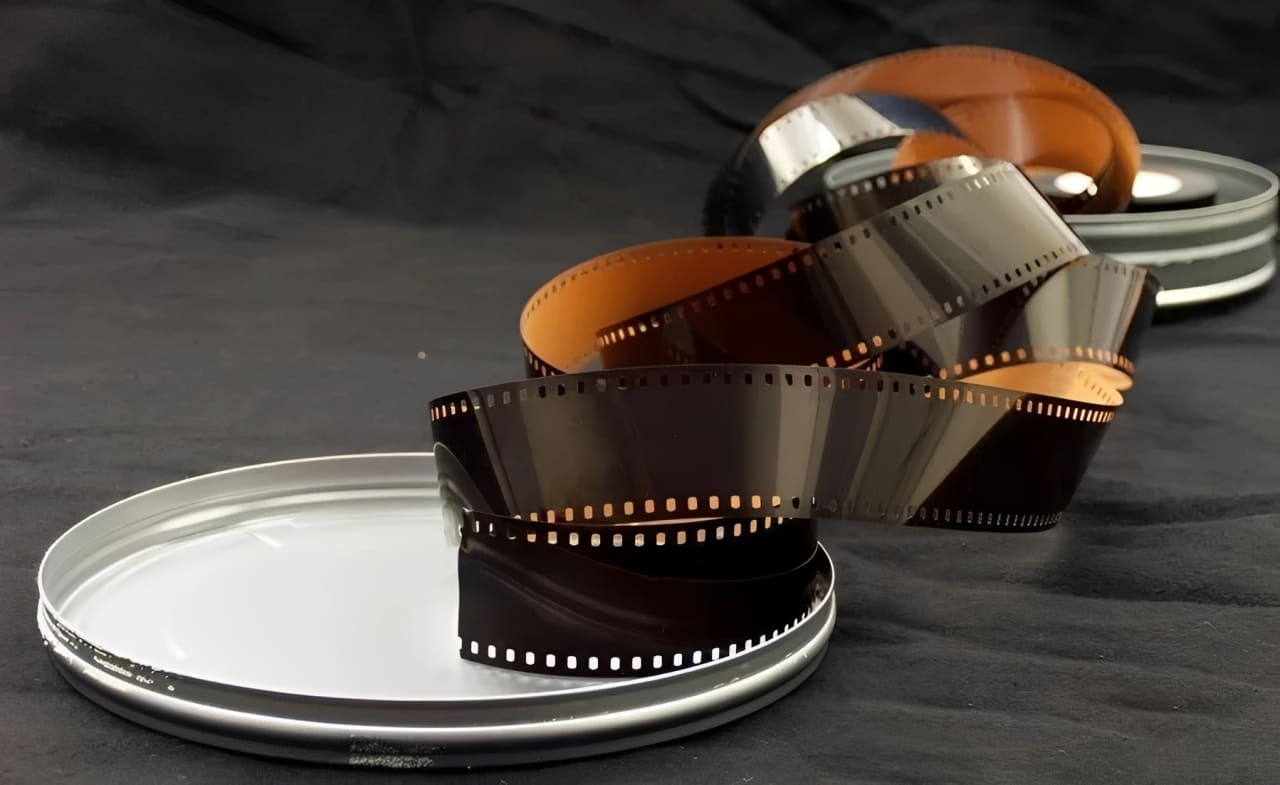
Since the film era, darkroom development, exposure control, cropping, color correction, and retouching have all been part of the photography process.
In the film days, pressing the shutter was only half the job. What often decided the final look of a photo was the darkroom work that came after.
For example, how the chemicals were mixed, what temperature they were kept at, and how long the film was developed all affected the depth and texture of the image. When enlarging a print, which areas were blocked and which areas were given a few extra seconds of exposure could directly change the brightness and contrast of the photo. Even the type of paper you chose could affect the final contrast, grain, and color.
In the digital age, what we call post-processing is really just the old darkroom work moved onto computers and phones. The tools have changed, but the logic has not.
Even when you shoot a JPEG and use it straight out of the camera, the camera itself is already doing part of the "editing" for you. It automatically applies sharpening, noise reduction, saturation adjustments, contrast changes, and more based on preset algorithms. In other words, a photo that has truly gone through zero processing is almost impossible.
So in photography, the real question is not whether there is post-processing. It is who does it, and how it is done.
What Is Post-Processing Actually Doing?
When people hear "post-processing," they often first think of "retouching," "beautifying," or even "faking." But that only looks at one part of it and misses its bigger value.
First, post-processing helps restore what was really there and makes up for the limits of the camera.
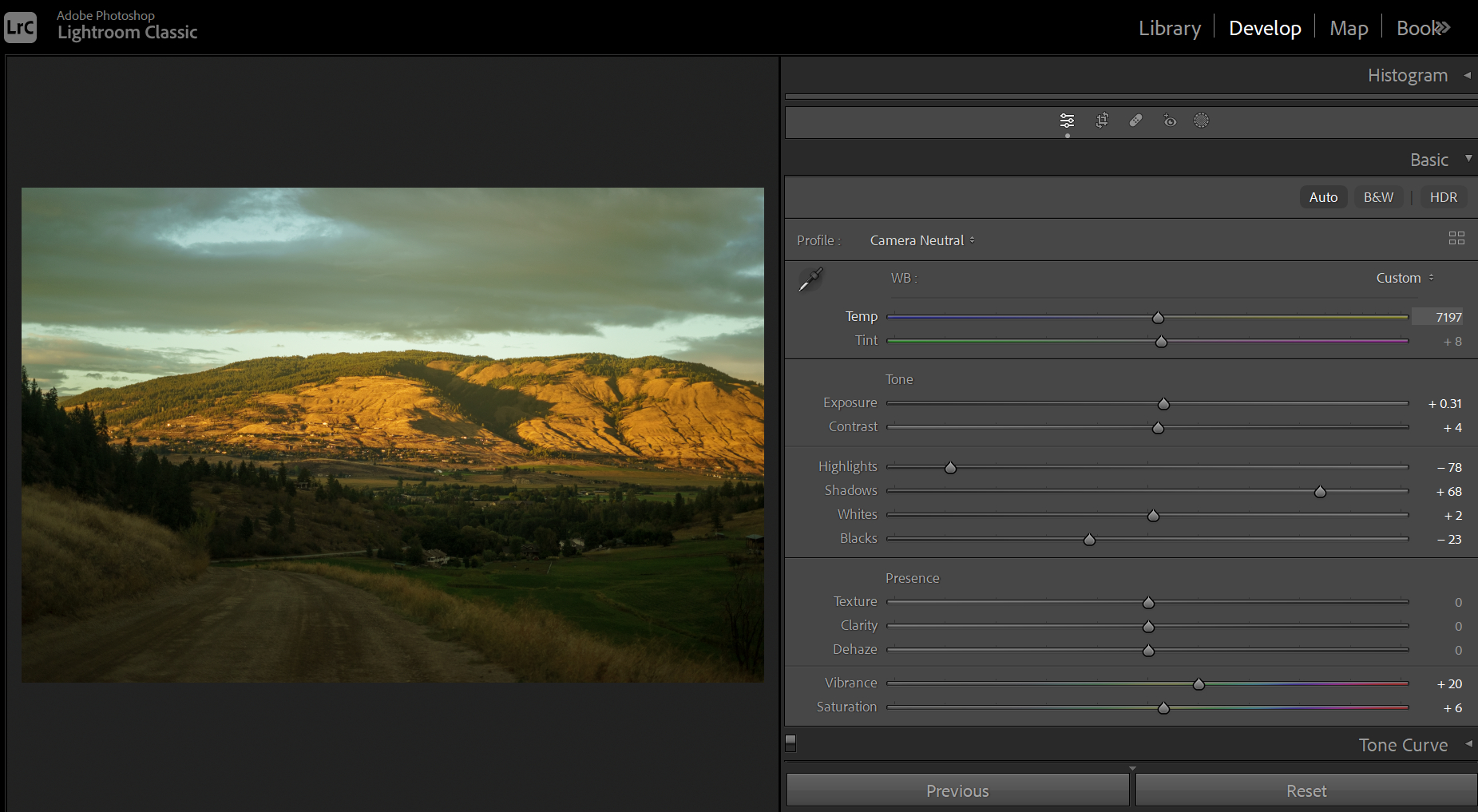
What the human eye sees is not exactly the same as what a camera records. The human eye has a wider dynamic range, so it can hold more detail in both highlights and shadows at the same time.
For example, when you stand in front of a sunset, the sky still has rich layers, and the details on the ground are still clear. But when the camera takes the shot, the sky may be blown out, or the ground may turn into a dark black mass. The result can look very different from what your eyes saw.
At that point, lowering the highlights and lifting the shadows in post is not "faking it." It is an effort to bring the image closer to the real visual feeling of the scene.
Second, post-processing is part of the language of photography.
Photography is not just about recording things. It is also a way to express ideas. Color, tone, light, and dark are all important artistic tools in photography.
If you want to express warmth and nostalgia, you can make the image slightly warmer and add a little vignetting and softness. If you want to show loneliness in a city, you can darken the whole scene and leave only a little color on the person or main subject. If you want a cleaner and stronger look, black and white with high contrast is often a very effective choice.
A camera cannot fully make those choices for you. You need post-processing to turn your creative idea into the final image.

Finally, post-processing can help you rebuild the frame and fix the visual balance.
Sometimes, because of timing, angle, or the shooting environment, the composition is not perfect. With cropping, rotation, and perspective correction, you can improve the image, make the subject stand out more, make the structure feel steadier, and create a more comfortable viewing flow.
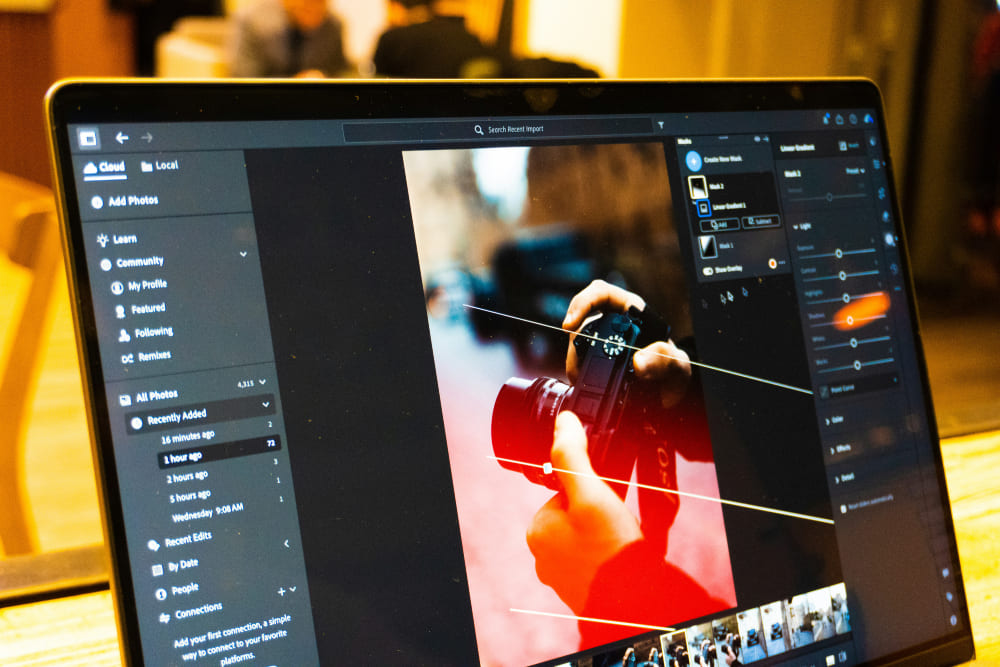
And then there are techniques like simulated long exposure, panorama stitching, and focus stacking. In many cases, these are not things you can finish with a single shot. They often need both careful shooting and post-processing working together to get the result you want.
Does No-Post-Processing Photography Exist?
Of course, there are photographers who stick to a "no post-processing" or "minimal post-processing" rule. But this usually only applies in certain fields, and it comes with fairly strict limits.
1. News and Documentary Photography
The most important rule in this kind of photography is truth. Since it is meant to record facts and share information, there are very strict limits on post-processing. You cannot freely change the content of the image, and even color adjustments often have clear rules.
That said, "no post-processing" here is more about professional ethics and self-restraint. It does not mean post-processing has no value. In other words, the point is not that editing is unnecessary. The point is that editing should not change the facts.
2. Situations That Need Fast Delivery
In some fast-paced settings, like event coverage, sports reporting, or on-site delivery, photographers often try to get the lighting, exposure, composition, and camera settings as close to right as possible during the shoot, so they can spend less time editing later. This may look like "almost no post-processing," but it is really a workflow choice.
Even in these cases, basic tone adjustments, white balance correction, and a light crop are usually still needed. Without any processing at all, photos can easily look flat, dull, or simply not well shot.
How Should We Think About Post-Processing?
If we compare the shooting stage to choosing ingredients, then post-processing is more like cooking and seasoning. A few ingredients can be eaten raw, but in most cases, proper preparation brings out a fuller taste and richer layers.
Photography is the same. We do not need to perfect every photo in post, but if we reject post-processing completely, many otherwise strong images may be wasted just because they never got that final step.
When it comes to post-processing, we can keep a few simple ideas in mind:
1. The Shoot Is the Foundation of Post-Processing
Post-processing is meant to improve and refine an image, not bring it back from the dead. It can make a photo look better, but it cannot truly save a photo that was clearly badly shot.
If the photo is badly out of focus, overexposed to pure white, or weak in composition, then post-processing can only do so much. In other words, getting the basics right while shooting will always matter more than trying to fix everything later.
2. Post-Processing Should Respect Realism
If you are shooting documentary work, news, or photos meant to record real life, then post-processing should stay modest. Only make the basic adjustments you really need, like exposure, white balance, and a light crop. This keeps the image more comfortable to look at without changing the facts it shows.
But if you are making art, then you have much more room to work. You can adjust color, tone, and mood based on what you want to express, and shape the photo so it feels closer to what you had in mind.
3. Less Is Often More
For many beginners, the problem is not "too little editing," but "too much editing." Too much sharpening, too much saturation, or too much contrast can easily make an image look dirty, harsh, or lose its natural feel.
Good post-processing should not make people say, "This photo was edited." It should make them focus on the image itself, on its subject and emotion. It should support the photo, not steal the spotlight.
Conclusion
Post-processing is part of photography. It is not a patch used to hide flaws. It is an important step that helps photographers bring out their artistic vision, create a mood, and build a personal style.
Truly skilled photographers usually do not get stuck on the question of whether they should edit. They care more about this: how can they make the photo express the subject more clearly and with more impact?
They also do not over-edit their images or pile on exaggerated filter effects. Most of the time, they only make moderate adjustments to color temperature, brightness, and color balance. They try to keep the original texture of the image, so the photo feels more natural, more lasting, and more full of story.
Going back to the question we started with, does photography really need post-processing? The answer should be clear by now. Post-processing is never an optional extra in photography. It is a must. The real question is not whether you should do it, but how far you should take it.
Finally, we want to recommend a creative controller, TourBox, which can greatly improve the speed and comfort of your photo editing workflow.
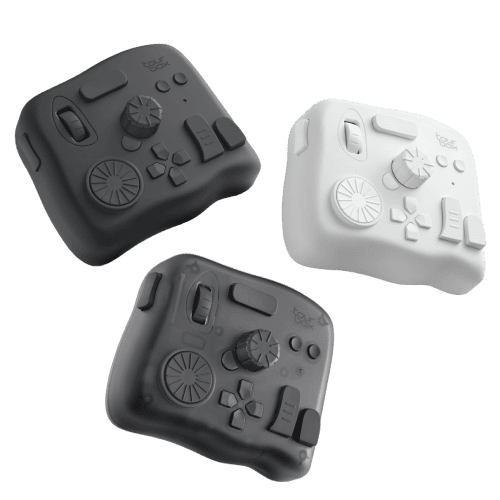
When you edit photos with TourBox, you can feel every small change clearly. It feels more like touching and shaping the image by hand, instead of just using software. That kind of control is something a mouse and keyboard cannot really match.
Also, TourBox's physical dials make it easier to adjust settings with more precision than dragging sliders with a mouse. You do not have to keep staring at the slider position. Instead, you can make small, step-by-step adjustments, just like fine-tuning focus by hand, until everything feels right.
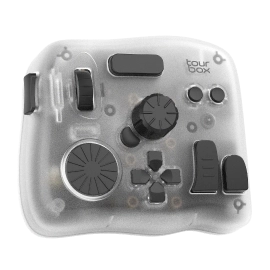
If you are interested in TourBox, please click our Photo Editing page to learn more.


