10 Best Travel Cameras to Consider
Travel photography is both a record of beautiful scenes and a test for your gear. An ideal travel camera (travel camera) needs to balance portability, image quality, and how well it adapts to different environments, and your lens choices should cover wide-angle landscapes, mid-range shots for people and culture, and telephoto close-ups.
Today, based on the main camera models currently on sale and drawing on expert reviews and real travel needs, we selected 10 cost-effective travel camera kits — from lightweight mirrorless bodies to high-performance full-frame systems — to help you easily capture every poetic moment of your trip. So, let's get started.
In this article, you will learn:
- Travel Cameras Balancing Portability and Performance
- Portable Travel Cameras with Pro Performance
- Travel Cameras Pursuing Ultimate Image Quality
- Cost-Effective Entry-Level Travel Cameras
- Which Travel Camera Should You Choose?
Travel Cameras Balancing Portability and Performance
1. Sony A7C II (Full-Frame Mirrorless)
- Portability: ★★★★☆ (Compact body at only 514 g; can be used one-handed)
- Performance: ★★★★★ (33 MP / 5-axis IBIS / AI subject tracking)
- Value: ★★★★
Lens pairing:
- Tamron 28-200mm F2.8-5.6 Di III RXD (one-lens solution, covers wide to tele)
- Sigma 24-70mm F2.8 DG DN (great for night shots and portraits; constant F2.8)
Advantages: The full-frame sensor controls noise well in low light. AI tracking locks onto moving subjects like birds and pets accurately.
Drawbacks: 4K 60p video has a 1.2× crop. Long recordings can overheat.
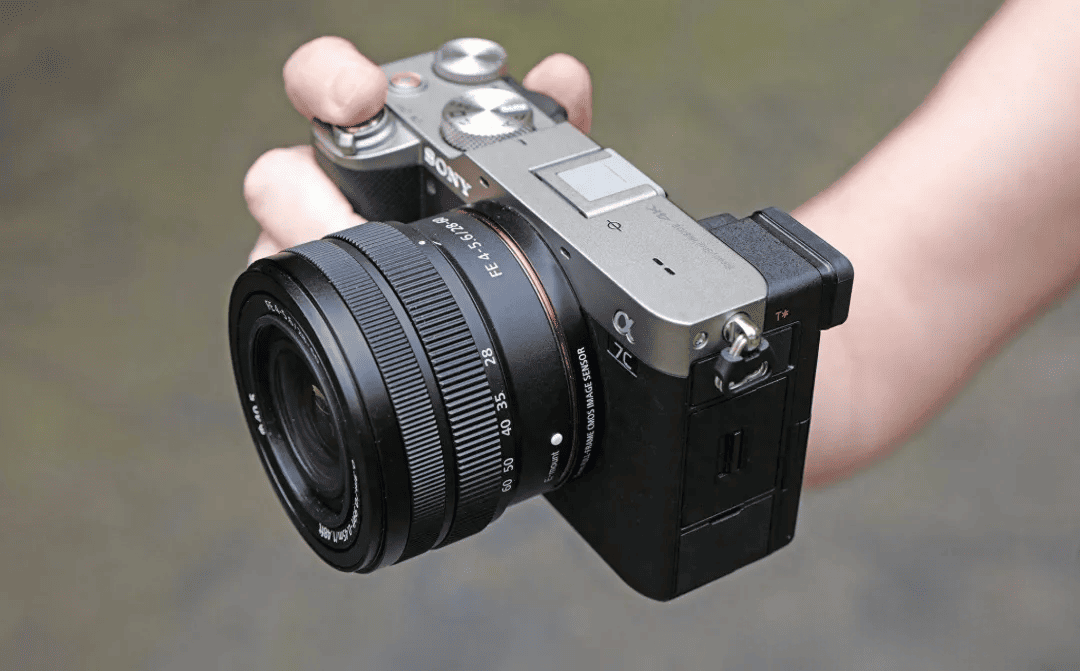
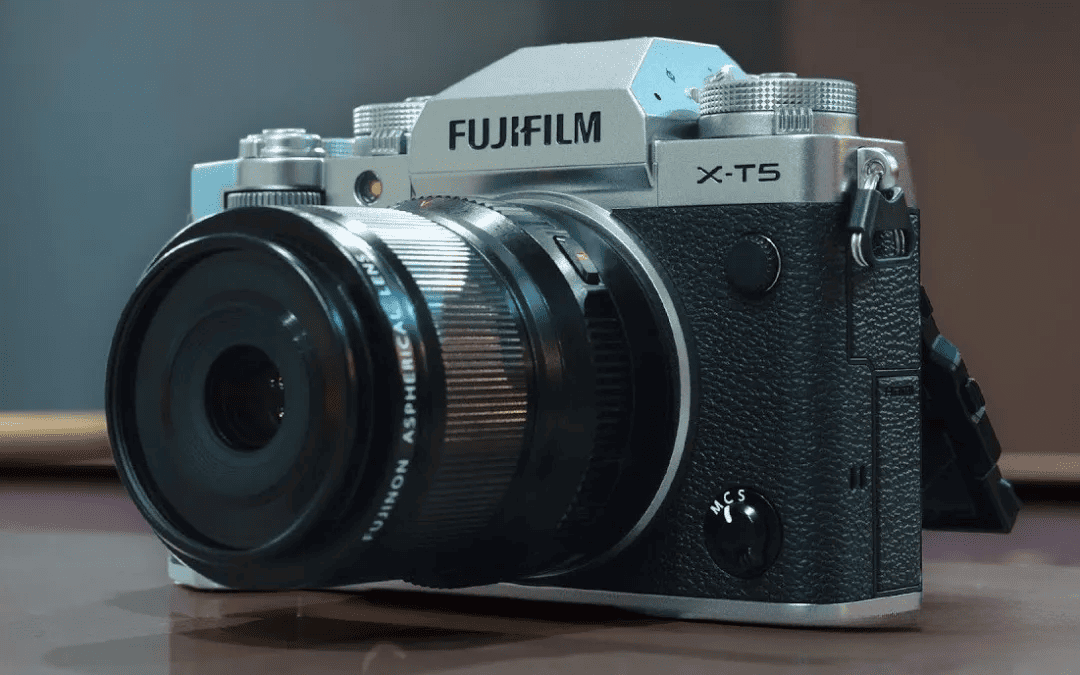
2. Fujifilm X-T5 (APS-C Mirrorless)
- Portability: ★★★★★ (Retro body at 557 g; great looks and feel)
- Performance: ★★★★☆ (40.2 MP / 7-stop IBIS / 19 film simulations)
- Value: ★★★★☆
Lens pairing:
- Fujifilm XF18-55mm F2.8-4 R LM OIS (light, everyday zoom with stabilization)
- Fujifilm XF10-24mm F4 R OIS (ultra-wide for landscapes)
Advantages: Colors straight out of camera are striking. The Classic Negative film simulation reduces the need for editing. The flip screen helps with low-angle composition.
Drawbacks: Focus-tracking performance lags slightly behind Sony.
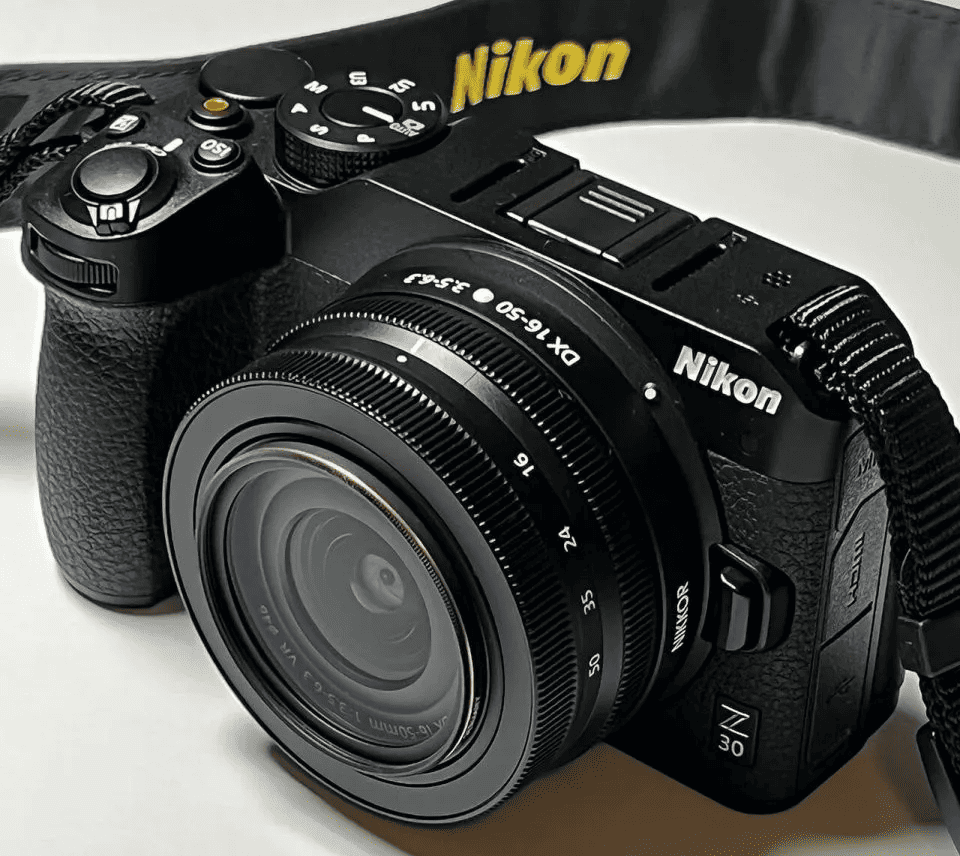
3. Nikon Z30 (APS-C Mirrorless)
- Portability: ★★★★★ (Body only 350 g; no burden in a backpack)
- Performance: ★★★☆ (20.9 MP / eye-detection AF / 4K 30p)
- Value: ★★★★★
Lens pairing:
- Nikon Z 16-50mm F3.5-6.3 VR (compact "pancake" zoom, good for daily use)
- Nikon Z 50-250mm F4.5-6.3 VR (telephoto with strong value)
Advantages: Touch menus are beginner-friendly. Battery life reaches about 330 shots. The twin-lens kit covers 16–250mm.
Drawbacks: No viewfinder, which makes framing in bright light difficult.
Portable Travel Cameras with Pro Performance
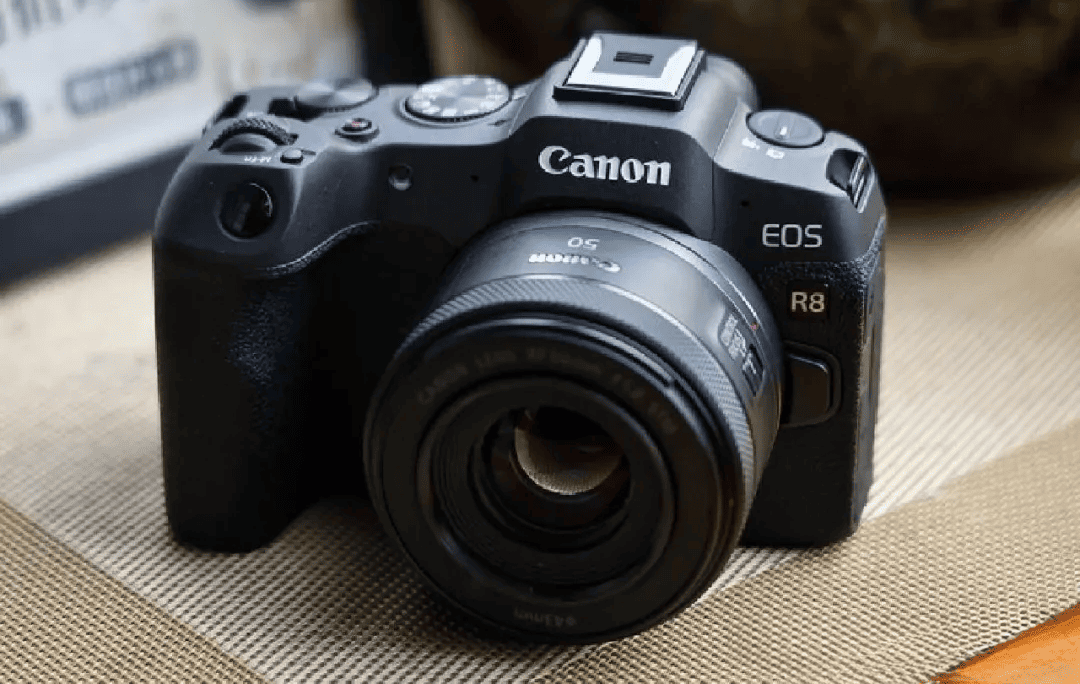
4. Canon EOS R8 (Full-Frame Mirrorless)
- Portability: ★★★★ (461 g body, about 20% lighter than the R6)
- Performance: ★★★★☆ (24.2 MP / 40 fps burst / 6K oversampling)
- Value: ★★★☆
Lens pairing:
- Canon RF24-240mm F4-6.3 IS USM (all-in-one travel zoom with stabilization)
- Canon RF35mm F1.8 MACRO IS STM (lightweight 35mm prime for street and portraits)
Advantages: Deep-learning AF picks up fine animal fur detail. 6K oversampled video gives smooth, detailed footage.
Drawbacks: Single card slot — pro users should back up data carefully.
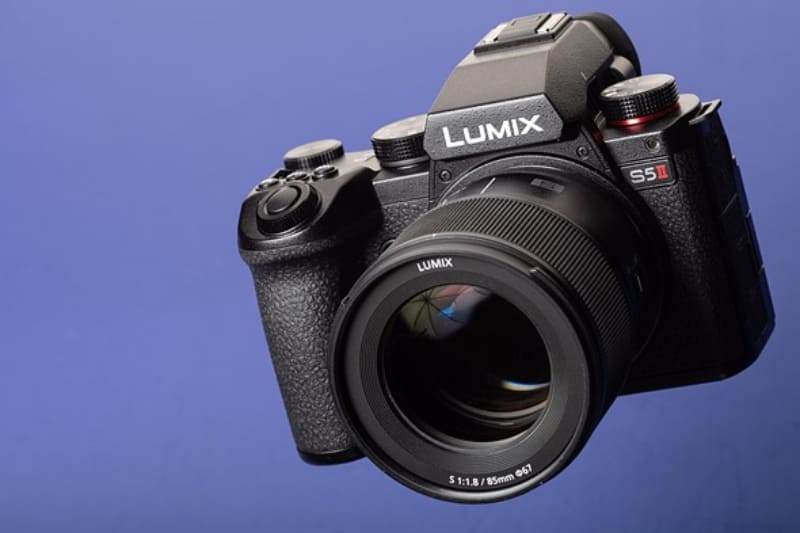
5. Panasonic Lumix S5 II (Full-Frame Mirrorless)
- Portability: ★★★☆ (714 g body, solid grip)
- Performance: ★★★★★ (24 MP / active cooling / 6K 30p internal recording)
- Value: ★★★★
Lens pairing:
- Sigma 28-70mm F2.8 DG DN (constant F2.8, great for portraits and landscapes)
- Panasonic LUMIX S 20-60mm F3.5-5.6 (wide zoom for architecture and landscapes)
Advantages: 14-stop video dynamic range and V-Log color for pro-grade color. Cooling lets you record continuously for up to four hours.
Drawbacks: Smaller native lens lineup; telephoto choices are limited.
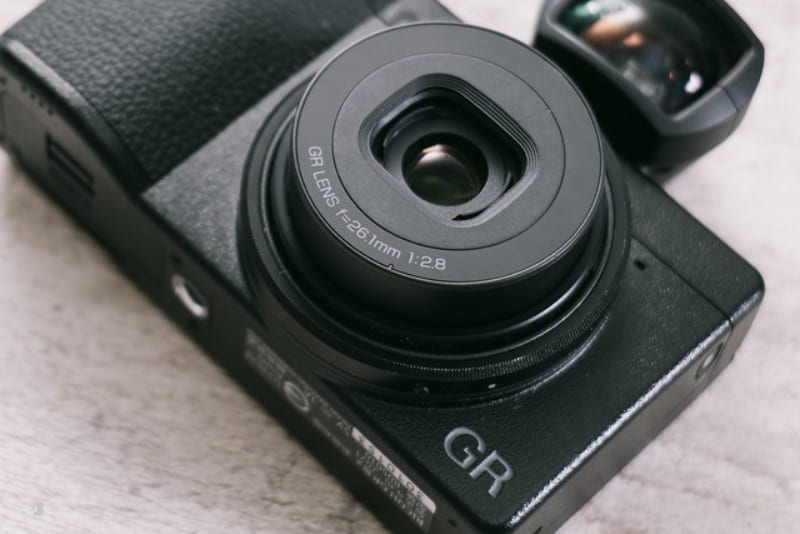
6. Ricoh GR IIIx (APS-C Compact)
- Portability: ★★★★★ (only 262 g; fits in a pocket)
- Performance: ★★★☆ (24 MP / 3-axis stabilization / quick-shoot Snap mode)
- Value: ★★★☆
Lens note: Fixed 40mm equivalent F2.8 (a classic focal length for street and documentary shots)
Best uses: Street, cafe still life, and quick documentary work. Snap mode focuses in about 0.3 seconds.
Drawbacks: No zoom — you must rely on composition. Battery life is about 200 shots.
Travel Cameras Pursuing Ultimate Image Quality
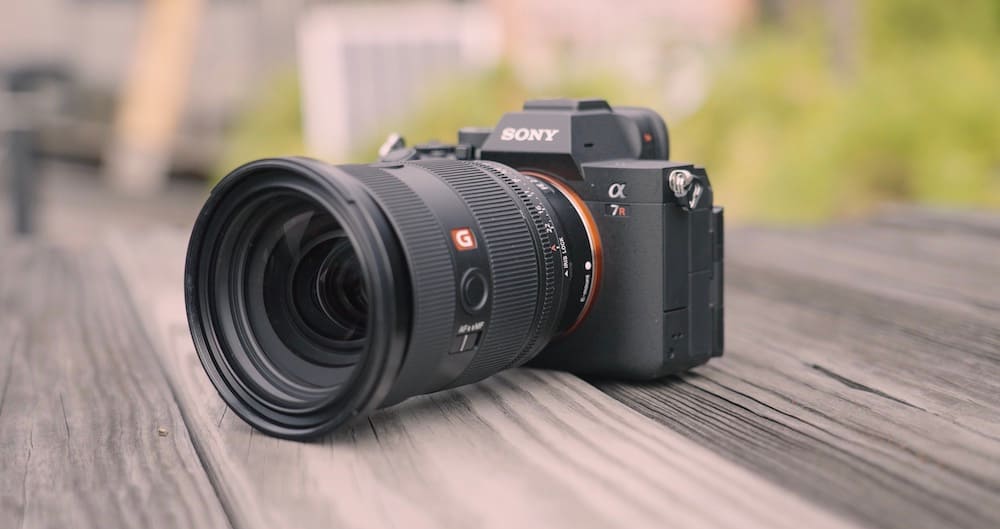
7. Sony A7R V (Full-Frame Mirrorless)
- Portability: ★★★ (665 g body — a pro-level weight)
- Performance: ★★★★★ (61 MP / 8-stop IBIS / AI depth prediction)
- Value: ★★★
Lens pairing:
- Sony FE 16-35mm F2.8 GM II (ultra-wide — great for night sky)
- Sony FE 70-200mm F4 Macro G OSS II (telephoto that also does close-ups)
Advantages: Pixel-shift stacking can reach 240 MP, so architecture shots show brick and stone texture. AI AF can even track insect compound eyes.
Drawbacks: RAW files are very large at high resolution. You need big-capacity memory cards.
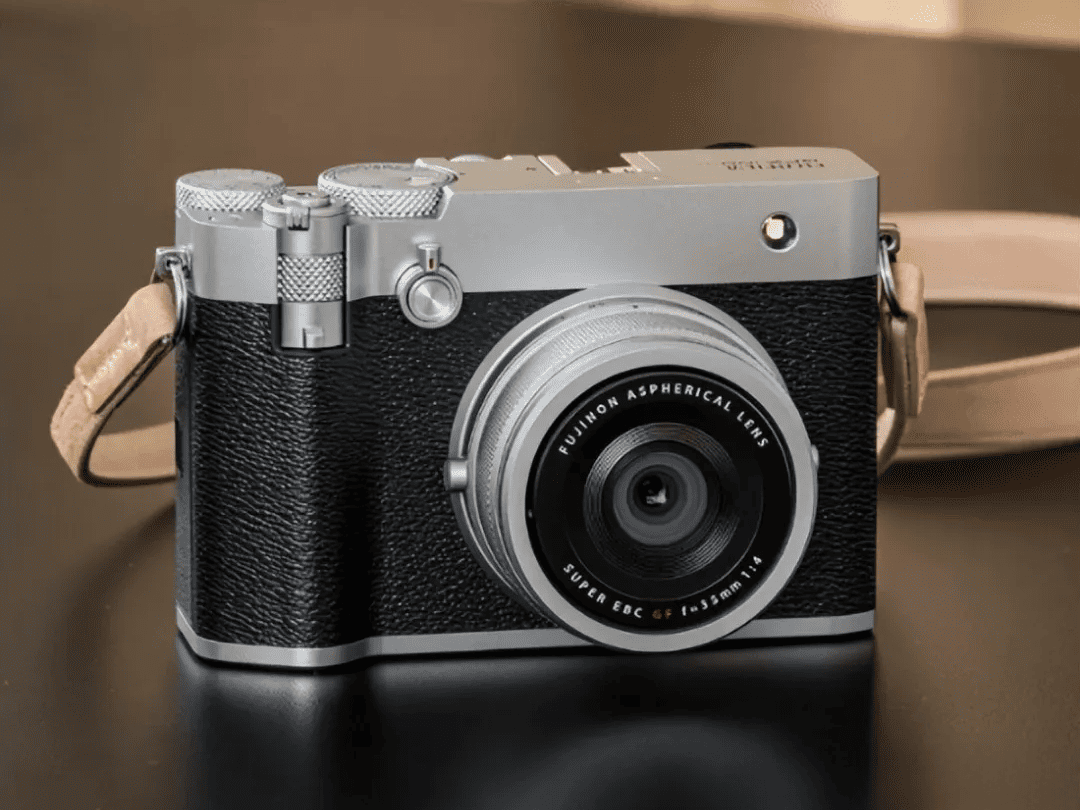
8. Fujifilm GFX100RF (Medium-Format Fixed-Lens)
- Portability: ★★☆ (1.2 kg — needs its own bag)
- Performance: ★★★★★ (100 MP / 16-stop dynamic range / 4K 60p)
- Value: ★★☆
Lens note: Built-in 35mm F4 equivalent (28mm on medium format — a wide field of view)
Best uses: Epic landscapes and commercial travel shoots. The Eterna Bleach film simulation has a unique look.
Drawbacks: Very expensive and has no interchangeable-lens design.
Cost-Effective Entry-Level Travel Cameras
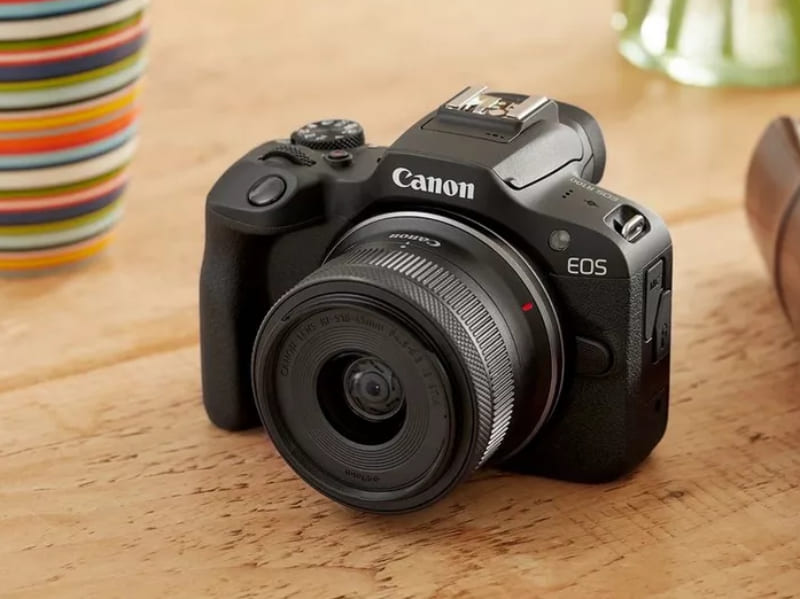
9. Canon R100 (APS-C Mirrorless)
- Portability: ★★★★★ (Body 356 g — extremely lightweight)
- Performance: ★★★ (24.2 MP / 4K 30p / single-shot AF)
- Value: ★★★★★
Lens pairing:
- Canon RF-S18-150mm F3.5-6.3 IS STM (one lens covers about 90% of scenes)
Advantages: Guided mode has voice prompts, so older adults can learn it easily. Wi-Fi lets you upload photos to social media with no trouble.
Drawbacks: No touchscreen; menu operation can be a bit clunky.
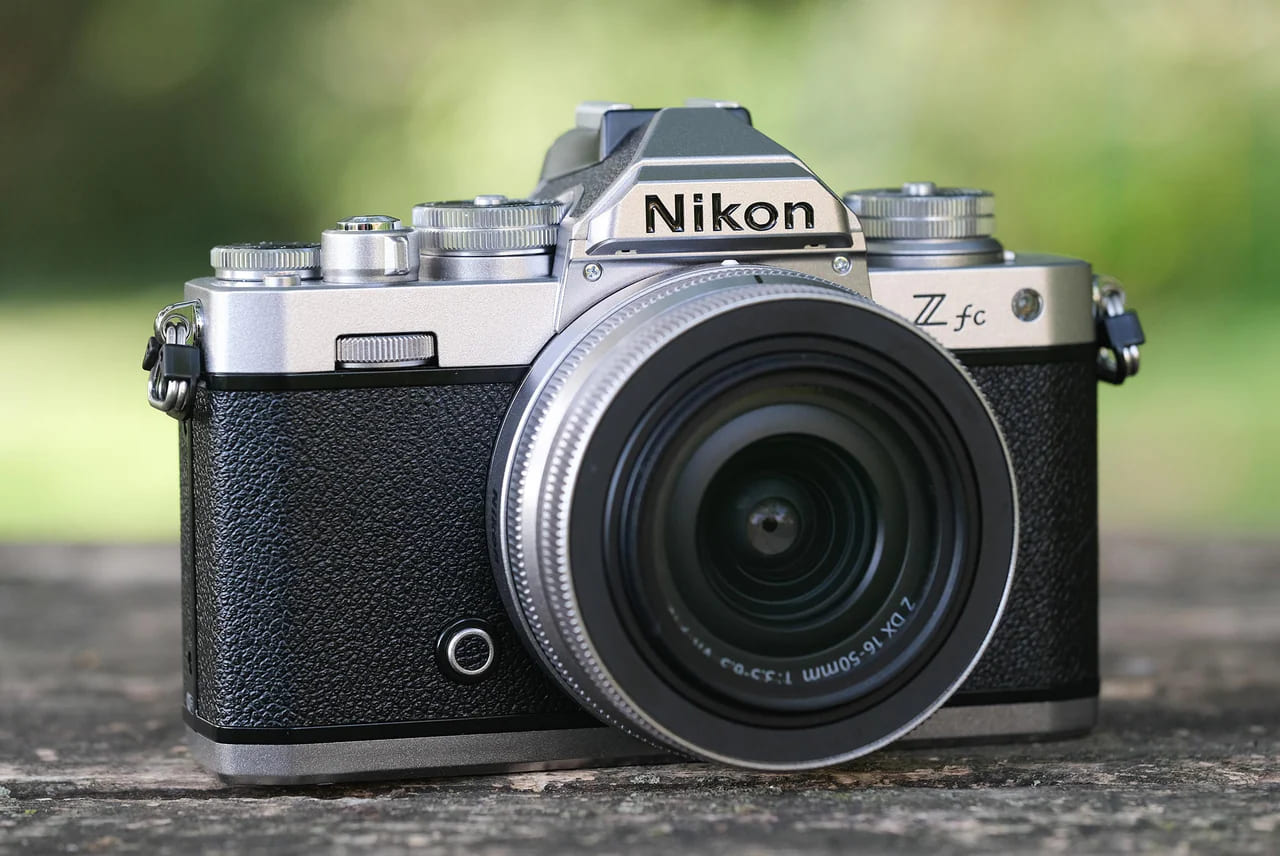
10. Nikon Z FC (APS-C Mirrorless)
- Portability: ★★★★ (445 g — retro design that style-conscious users love)
- Performance: ★★★☆ (20.9 MP / eye-detection AF / 4K 30p)
- Value: ★★★★
Lens pairing:
- Nikon Z 28mm F2.8 SE (silver, retro prime — F2.8 for background blur)
- Nikon Z DX 16-50mm F3.5-6.3 VR (everyday stabilized kit zoom)
Advantages: The body offers 20 creative in-camera filters, so images are ready for social media. The flip screen is great for selfies and vlogs.
Drawbacks: Continuous shooting is only 11 fps.
Which Travel Camera Should You Choose?
In this blog post, we share 10 travel camera options. Of course these picks are partly subjective and are not necessarily the best travel cameras. But they should give you some reference to help pick the travel camera that fits you best.
The point of travel photography is to record and feel, not to compete over gear. If you don't like heavy cameras, consider the Ricoh GR IIIx or the Nikon Z30. If you chase the limits of image quality, we recommend the Sony A7R V or the Fujifilm GFX100RF. Video creators might also look at the Panasonic S5 II for its 6K internal recording.
So there is no single best travel camera. The right choice is the one that fits your own needs and situation. Whichever you pick, remember to bring a UV filter, a small tripod, and spare batteries. That way, each shutter click can be the most honest witness of your trip.
Of course, when you shoot on the road, photos can have flaws for one reason or another. That's when you need post-processing to rescue those "throwaways." When you organize your travel photos, you'll usually find you need a lot of photo management, editing, and color grading work.
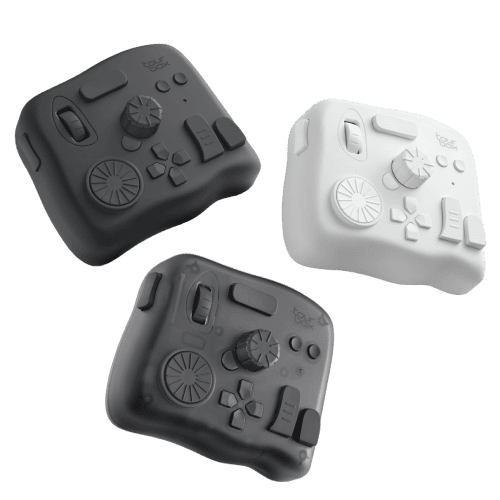
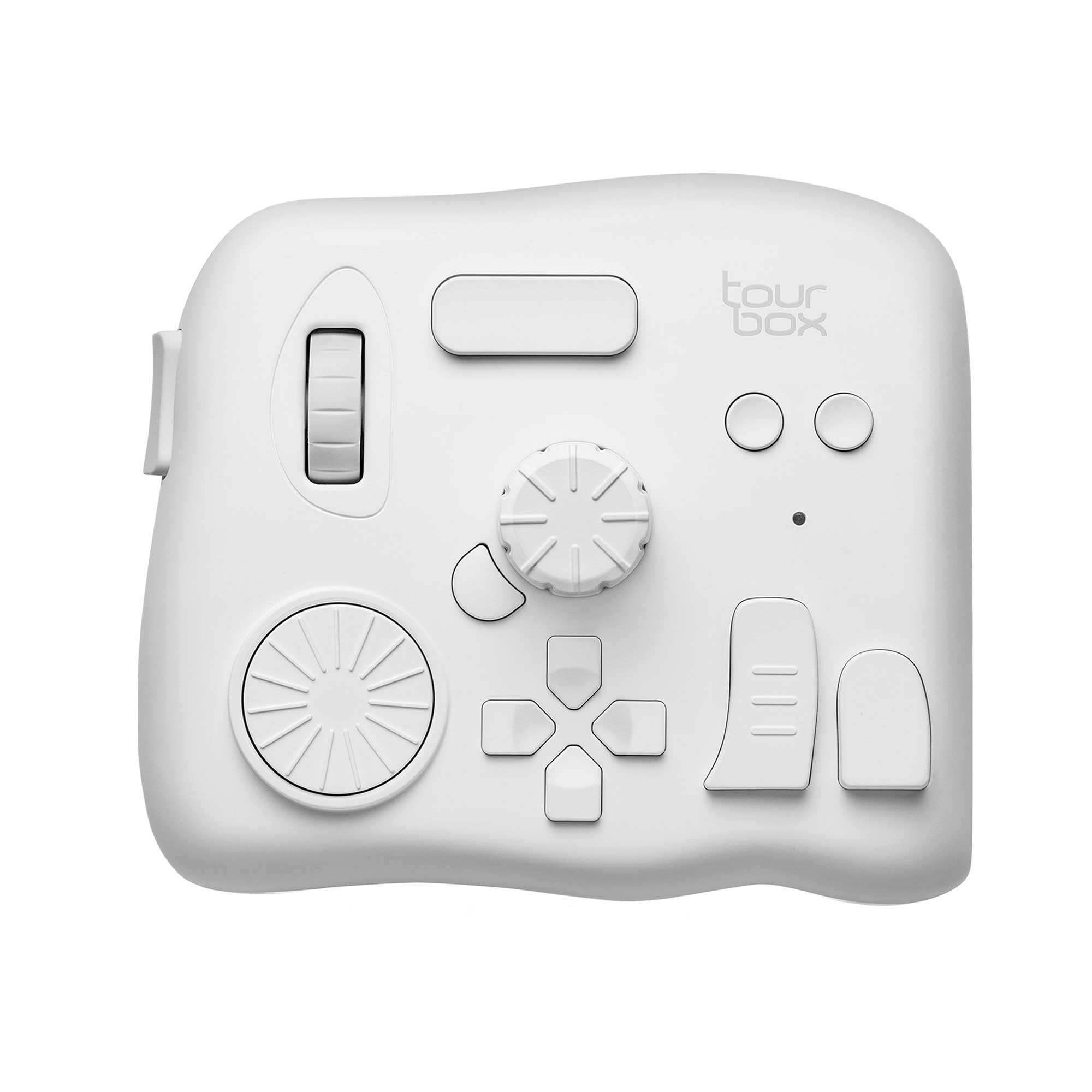
If you have a TourBox, it can greatly boost your photo editing and color grading efficiency. You can map your frequently used tools and shortcuts to TourBox's physical buttons and dials. Useful built-in features, like the Dynamic Panel made for Lightroom, also greatly improve the creative experience.
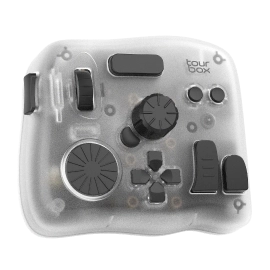
Best of all, the TourBox is very light and easy to carry. When you travel, bring one with you so you can quickly edit and color grade photos anywhere and post them to social media. If you're interested, click our Photo Editing page to learn more.


