Why Is the N in Seven Eleven Lowercase?
Have you ever had this happen? You see something every day — so familiar you no longer notice it — and then one day you suddenly spot a strange detail you'd never noticed before.
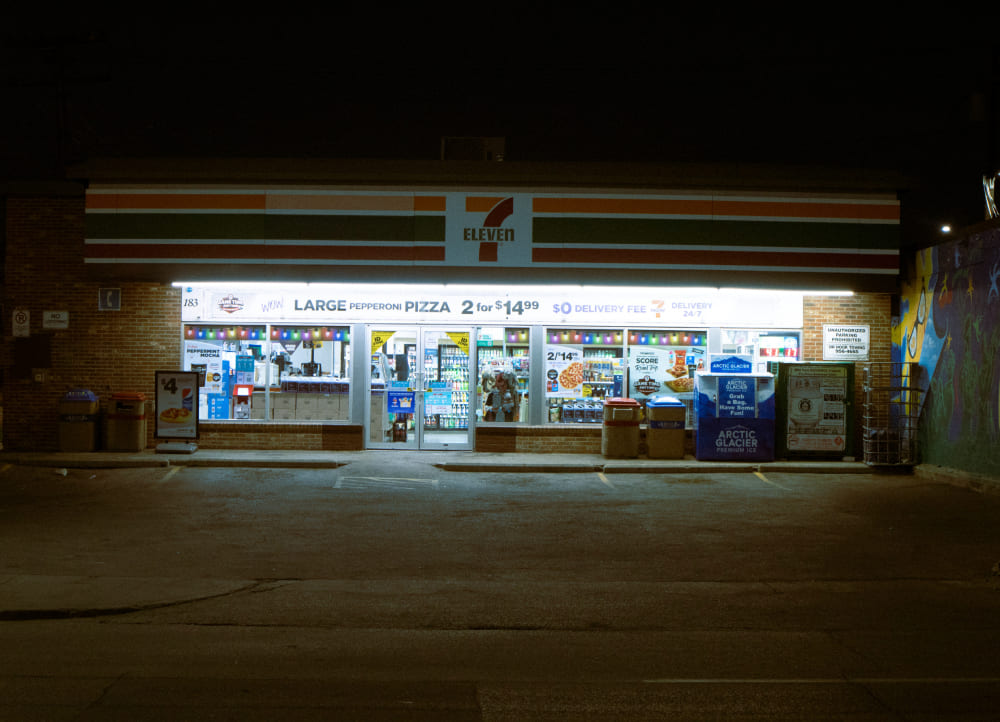
Take the 7-Eleven logo. You can recognize it at a glance. But next time you walk by, don't rush in to grab a rice ball — look up at the sign first.
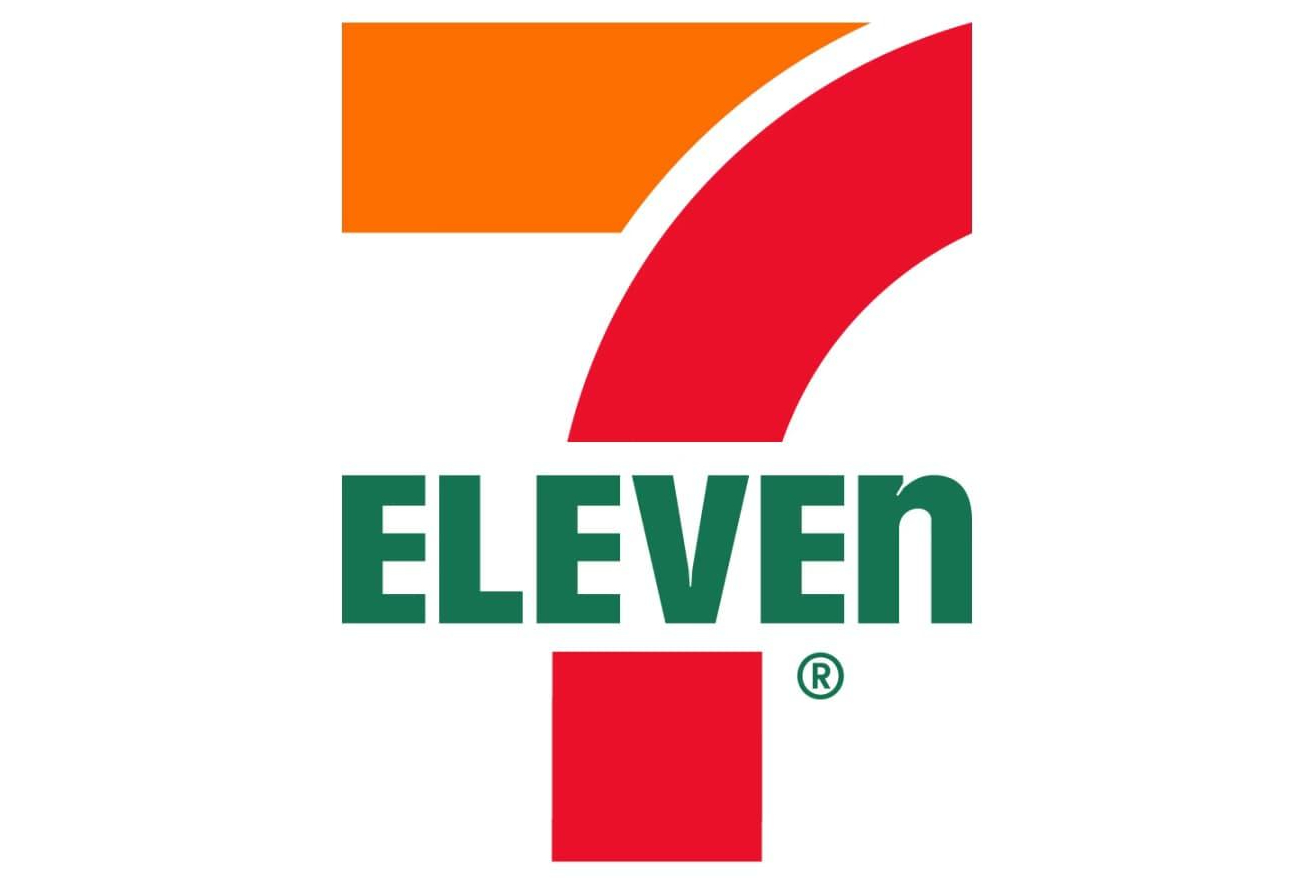
You'll notice something: E-L-E-V-E…n. Why is the last letter, the "n," lowercase? Doesn't that make it feel both familiar and a little strange?
Is it a printing mistake, or is there something hidden behind it? Today, let's take a look at this famous design easter egg.
In this article, you will learn:
Why Is the N in Seven Eleven Lowercase?
7-ELEVEn was founded in 1927. It began as Southland Corp in Dallas, Texas. From 1928 to 1946, the company was called Tote'm Stores. In 1991, the brand rights for 7-Eleven came to be held by Japan's 7&I Holdings.
In "7-ELEVEn," every letter is uppercase except the final "n," which is lowercase. Why is that? One folk explanation points to feng shui. People say a capital "N" has an outward stroke that "sends money away," while a lowercase "n" finishes inward and "pulls money in."
A more commonly told story in the industry and media is this: the wife of a top executive thought the all-caps "ELEVEN" looked harsh or aggressive. She suggested changing the last letter to lowercase to make the logo look softer and more elegant. That story has a bit of a legend feel, but it’s been widely repeated.
The official line is different. The company says the design dated back to the Southland Corp days, and the original designer chose the look simply for visual reasons.
So, the small "n" in 7-ELEVEn was likely meant to make the logo look more balanced and friendly — not as a marketing trick.
Irregular Letter Casing in Brand Design
Many well-known brands use unusual letter casing or split-letter designs to boost recognition. Common examples include:
- Intel: The classic Intel logo uses all lowercase letters — "intel." This look dates from a 2002 update meant to nod to Intel's original 1968 logo. The unique letter shapes make the logo lively and easy to spot, while also hinting at forward-looking technology.
- Adidas: Since it started in 1949, adidas has used all lowercase letters. Using a lowercase first letter helps the brand feel casual and approachable, which fits its leisure-sports image. Paired with the three-stripe mark, the simple lowercase type makes the whole logo feel softer and more modern.
- Amazon: Amazon's logo uses all lowercase "amazon" with an orange curved arrow from the "a" to the "z." The arrow looks like a smile. It also signals that Amazon carries everything from A to Z. The smile adds a friendly, welcoming vibe to the shopping experience.
- Flickr: The photo-sharing site dropped the "e" from "flicker" and went with "flickr" (all lowercase). This vowel-dropping trick — called "disemvoweling" — became popular with internet startups. It makes the name short, distinctive, and easier to register as a domain and trademark. Linguists say people can still read the word easily, and the look feels cool and digitally native.
- YouTube: YouTube uses camelCase — that is, capital "Y" and "T" — to highlight "You" (the user) and "Tube" (video/TV). This CamelCase style makes the name more recognizable. It also reinforces the idea that users are the creators.
What brand value do these unusual letter choices bring?
Nonstandard letter styles often boost brand recognition and friendliness. Studies show lowercase logos tend to feel more approachable and personal, while all-caps logos suggest power and authority.
So choices like 7-ELEVEn's lowercase "n," adidas's all-lowercase wordmark, and Amazon's smile-arrow all create a softer, more open impression. This "visual softening" helps brands feel closer to consumers and increases warmth and appeal.
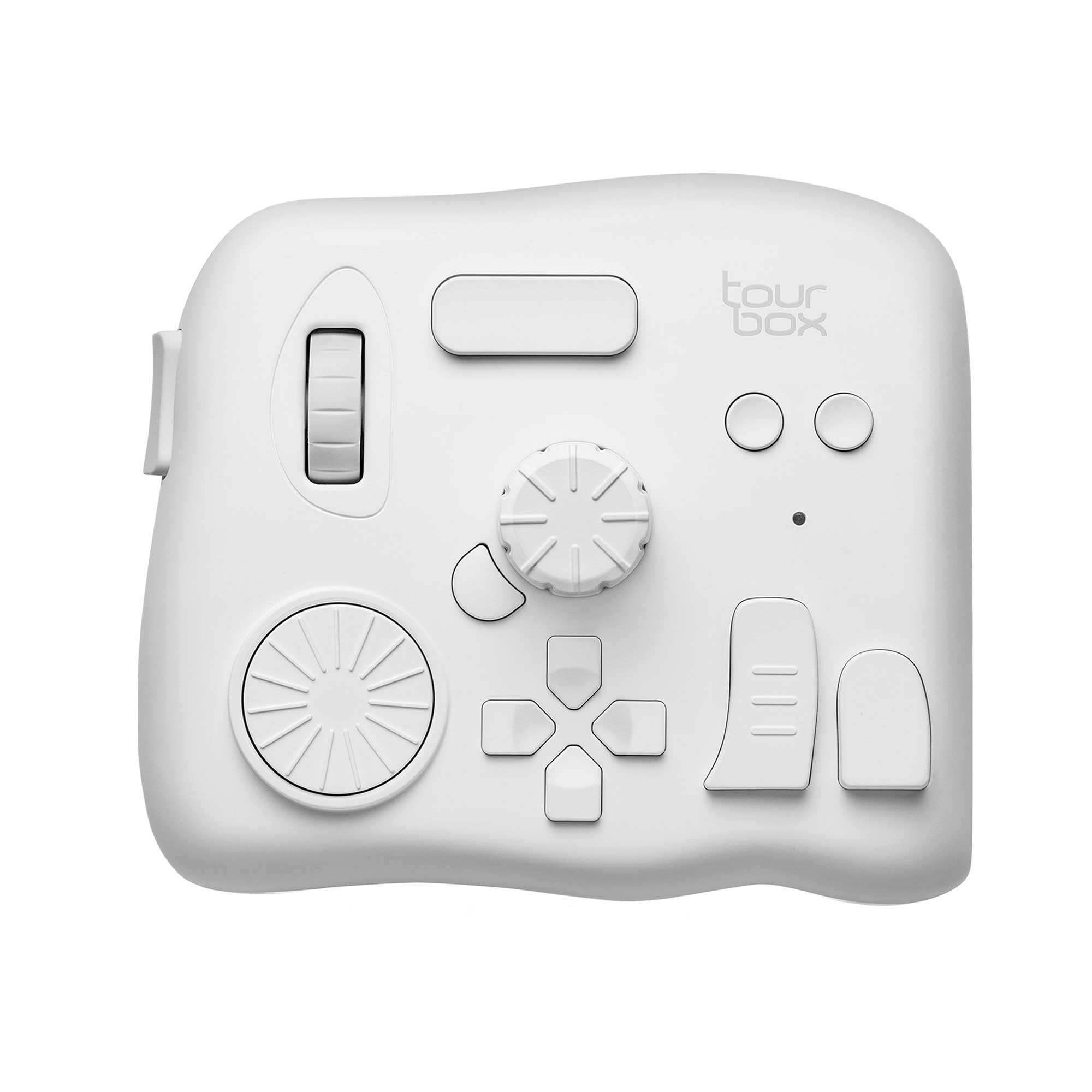
As another example, our controller brand for artists and creators, TourBox, also uses an all-lowercase logo. Yes, you just saw our little product plug again. 😉
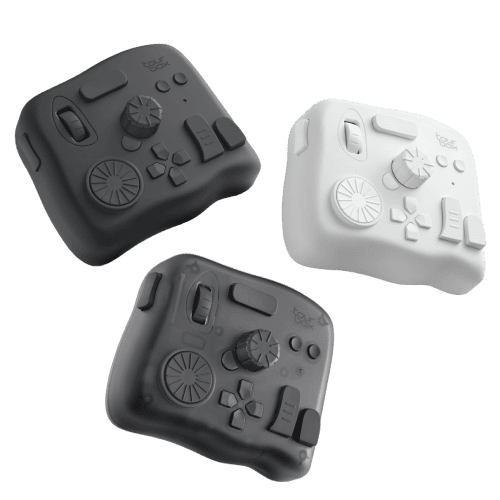
Like the TourBox logo, a friendly, approachable mark can make people feel connected to the product. If you want a helpful tool that speeds up your work and improves the creative experience, feel free to click our link and learn more.

On the other hand, deliberately breaking the usual letter rules (like dropping vowels or using CamelCase) makes a brand feel unique and modern. That helps it stand out from competitors and stick in people's minds.
Overall, these creative letter treatments enrich a brand's identity and make it more distinct among visual symbols. They also convey friendliness and innovation, which can boost customer liking and loyalty.
Conclusion
In short, a logo's choice of uppercase or lowercase is never an accident. It's a low-cost move with a big impact. It directly sets the brand's tone — authoritative, friendly, tech-focused, or rebellious.
From 7-Eleven's clever little "n" to adidas's low-key all-lowercase wordmark, everything a brand says — down to each letter — is carefully designed.


