How to Shoot with a Wide-Angle Lens: Useful Composition Tips
Many photography enthusiasts think wide-angle lenses are hard to use. They take a lot of photos with a wide-angle lens, but only a few turn out well. The images can also feel empty and lacking in interest. But this is usually not because of poor technique. It is because the lens's strengths are misunderstood. We often rush to fill the frame and try to include everything.
So, how should you use a wide-angle lens the right way? Let's take a simple look in this blog.

In this article, you will learn:
What Is a Wide-Angle Lens?
A wide-angle lens usually has a short focal length and a wide field of view. It is often used at 35mm or below. Its biggest feature is that it can fit more into the same frame.
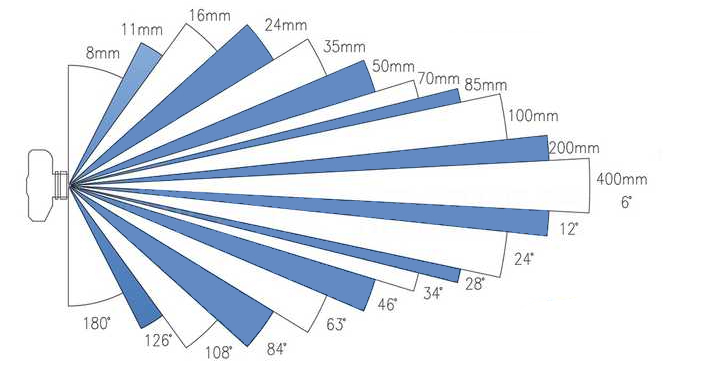
That makes it a great choice for landscapes, buildings, and indoor scenes, where showing a sense of space matters. Whether you are shooting a wide natural view or a small room, a wide-angle lens can help you capture the scene in a fuller and more open way.
But the appeal of a wide-angle lens is not just that it lets you shoot wider. What makes it more interesting is the strong sense of space and visual impact it creates.
Because wide-angle lenses show perspective more clearly, objects in the foreground look more prominent, while the background feels farther away. This "near looks bigger, far looks smaller" effect gives the photo more depth and helps create a more immersive feel.
Another important advantage of a wide-angle lens is its usually deep depth of field. This means more objects in the frame, from front to back, can stay sharp.
It makes it easier to show the foreground, middle ground, and background at the same time. For photography that aims to create rich layers, highlight the atmosphere, or make the scene feel more like a story, a wide-angle lens is a very useful tool.
How to Shoot with a Wide-Angle Lens?
When people first start using a wide-angle lens, they often try to cram more and more into the frame. As a result, the photo can end up looking messy and unfocused.
In fact, a wide-angle lens is not about "the fuller the frame, the better." Good wide-angle photos usually have a clear visual center. They also use lines, layers, and the space in the frame to lead the viewer's eye naturally into the scene.
The real strength of a wide-angle lens is not just showing what you see. It is also about showing the relationship between the subject and its surroundings.
It works especially well for storytelling. What is in the foreground? What is in the middle? What kind of mood does the background create? When these parts work together, the photo feels deeper and more expressive.
Here are a few practical wide-angle composition tips.
1. Use Leading Lines
Wide-angle lenses are great for scenes with strong lines, like roads, rivers, railings, and building edges. When shooting, try placing these lines along the edge or corner of the frame so they naturally lead toward your subject.
This helps pull the viewer's eye deeper into the photo. It also gives the composition more direction and keeps the frame from feeling loose.
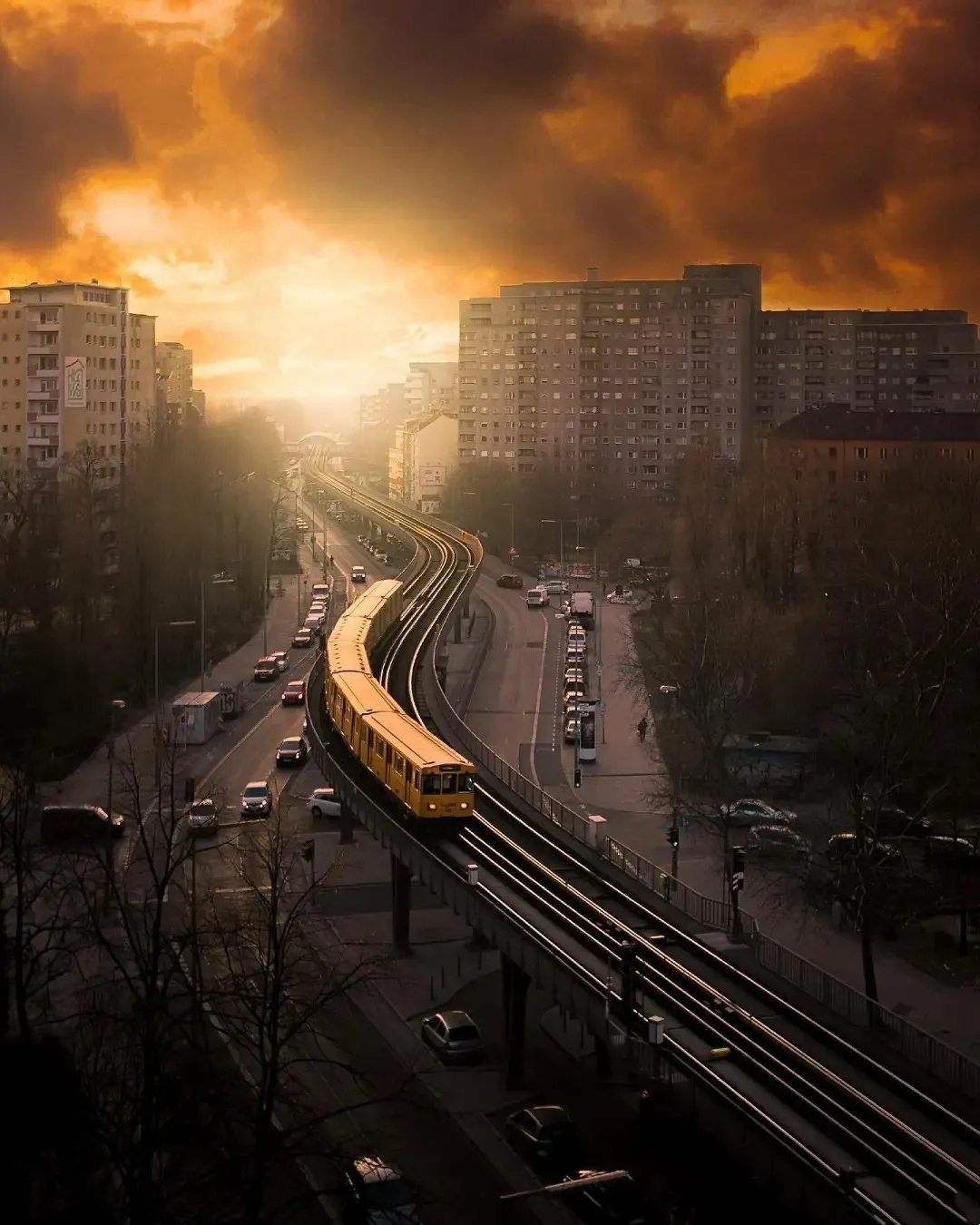
photo by susonsjack
For example, in the photo above, the road and train tracks in the scene guide the viewer's eye from the foreground into the distant background. This makes the sense of depth from the wide-angle lens even stronger, and also adds a bit more storytelling to the image.
One thing to keep in mind: in the same frame, one leading line is usually enough. Too many lines can make the scene feel visually messy.
2. Use the Foreground Well
Wide-angle lenses are especially good for adding foreground elements, like rocks, flowers, branches, window frames, or even a hand or a chair. Adding a foreground makes the frame feel less empty and helps the viewer feel the depth of the scene more quickly.
This is especially useful in landscape photography. The foreground can make the photo feel more alive, give the background more support, and add a stronger sense of space.
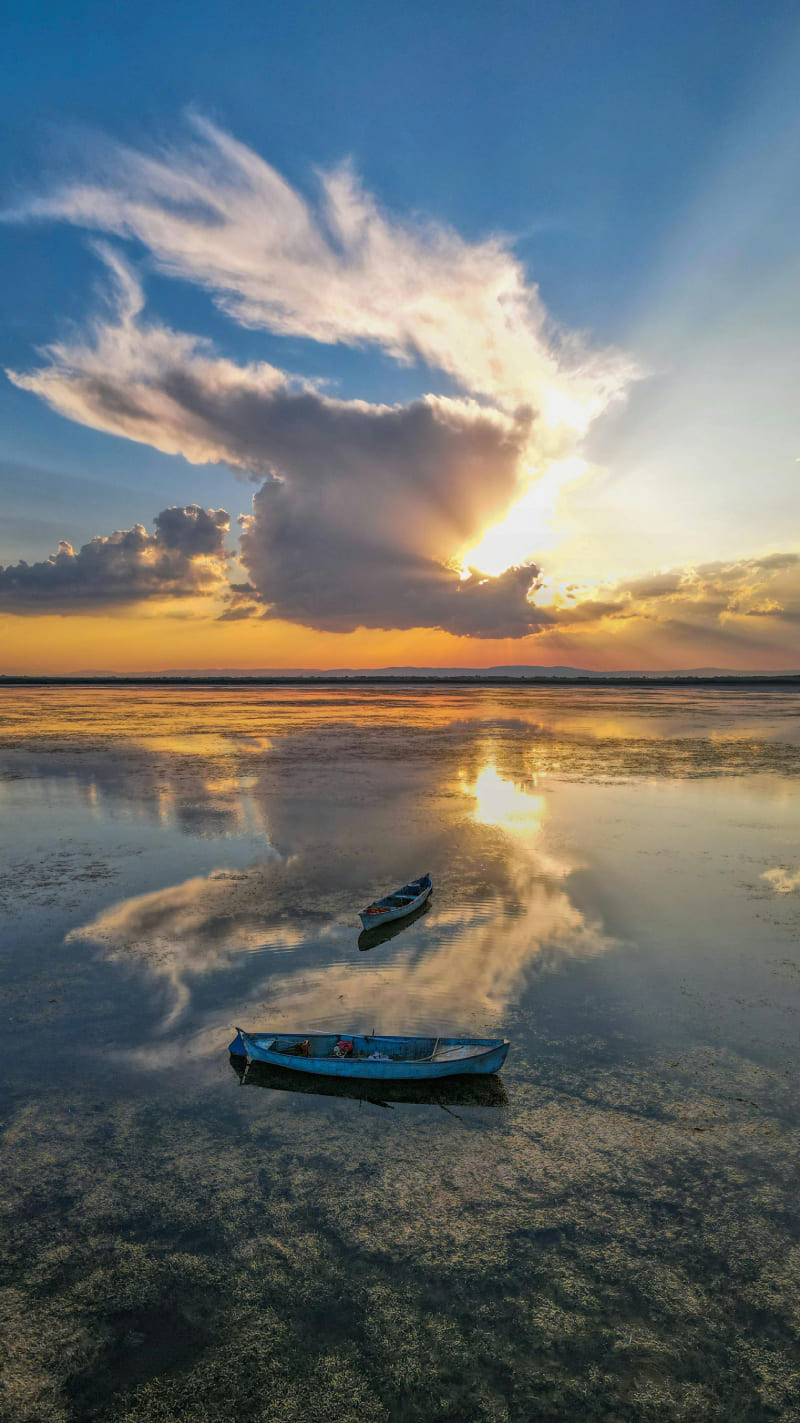
You can also use tree branches, leaves, doors, windows, rock openings, and other natural or man-made frames to frame the subject and background. This helps guide the viewer's eye into the frame and makes the image feel more immersive.
For example, in the photo below, photographer Ramiro Torrents used the branches and wild grass along the shore to frame the snowy mountains in the distance. This is also a variation of using foreground elements.
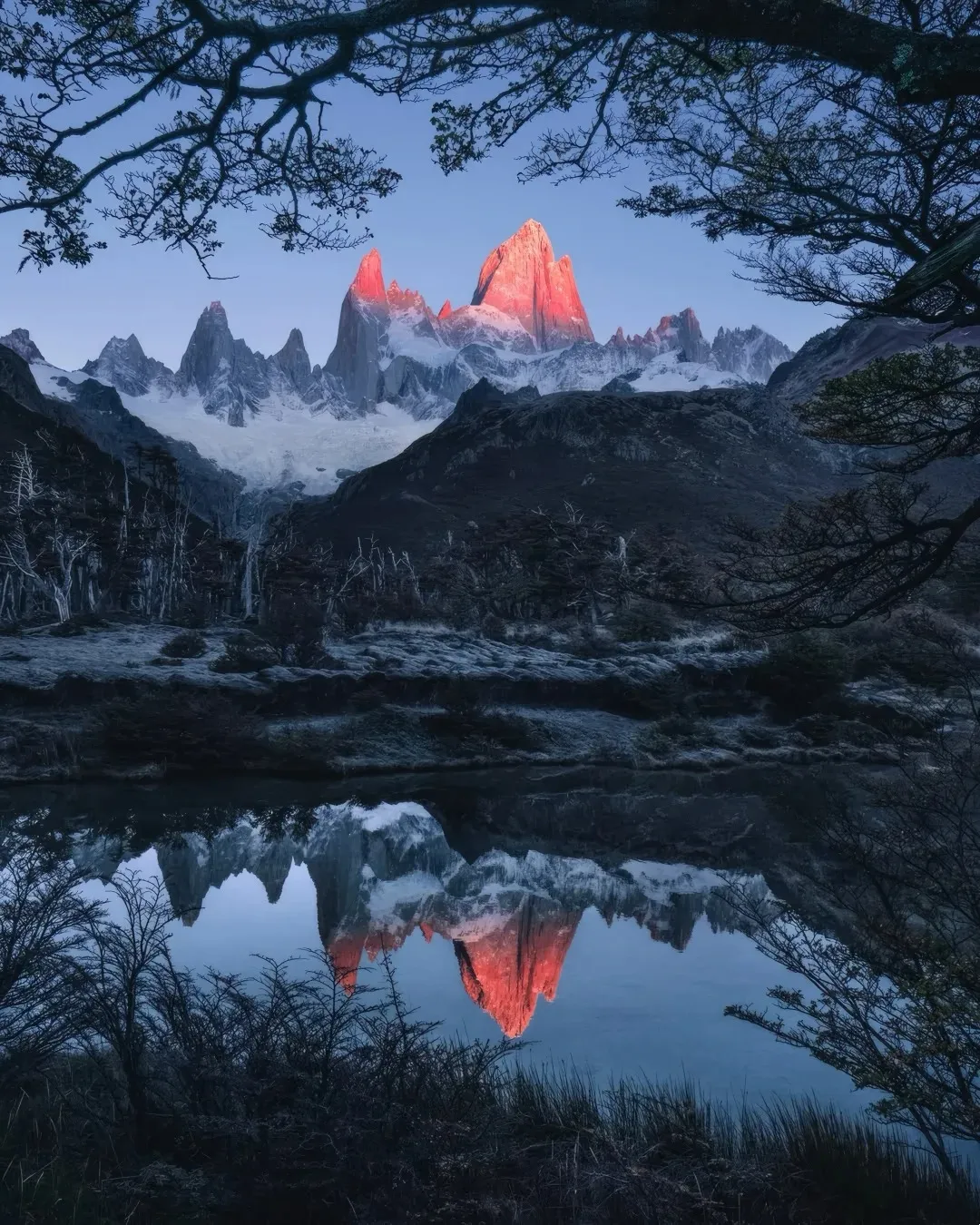
photo by Ramiro Torrents
But one thing to keep in mind is that foreground elements should not be too complex, and they should not take up more than one-fifth of the whole frame. Otherwise, they may distract from the subject and pull attention away from it.
3. Symmetrical Composition
Symmetrical composition fits the "grand storytelling" style of a wide-angle lens very well. It works especially well for reflections, symmetrical landscapes, buildings, and similar scenes.
When shooting, keep the camera level and use the water surface to create a symmetrical frame between the real scene and its reflection. This can give the image a unique, almost dreamlike feel. It is also a very common photography technique.
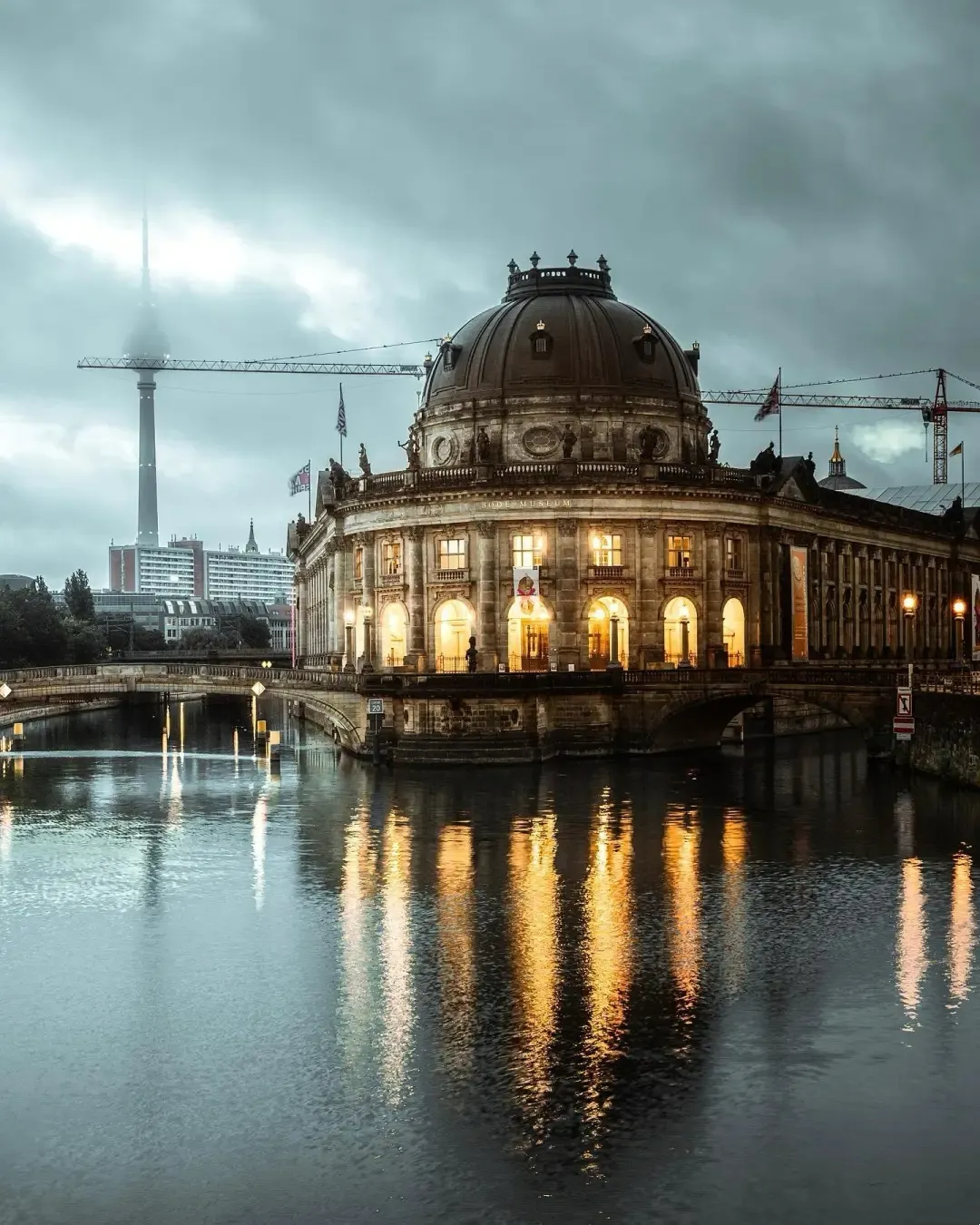
photo by susonsjack
One thing to keep in mind: a perfectly symmetrical composition can sometimes feel a little stiff. So you can add a small "asymmetrical" detail to the scene, like a person walking in front of a symmetrical building or a fallen leaf in the reflection. This small detail can make the image feel more lively while still keeping the symmetry.
4. Give the Photo Clear Layers
Try to build three clear layers in the frame: foreground, middle ground, and background. Using a small aperture to keep all of them sharp can make the image feel more three-dimensional and full of detail.
Put simply, the foreground should have some detail, like flowers, rocks, or steps. The middle ground should connect the foreground and background, like a road or river, and act as a bridge between them. The background is the final point of the image, such as mountains, buildings, or a sunset. It should have a clear shape or strong color so it stands out from the foreground and middle ground.
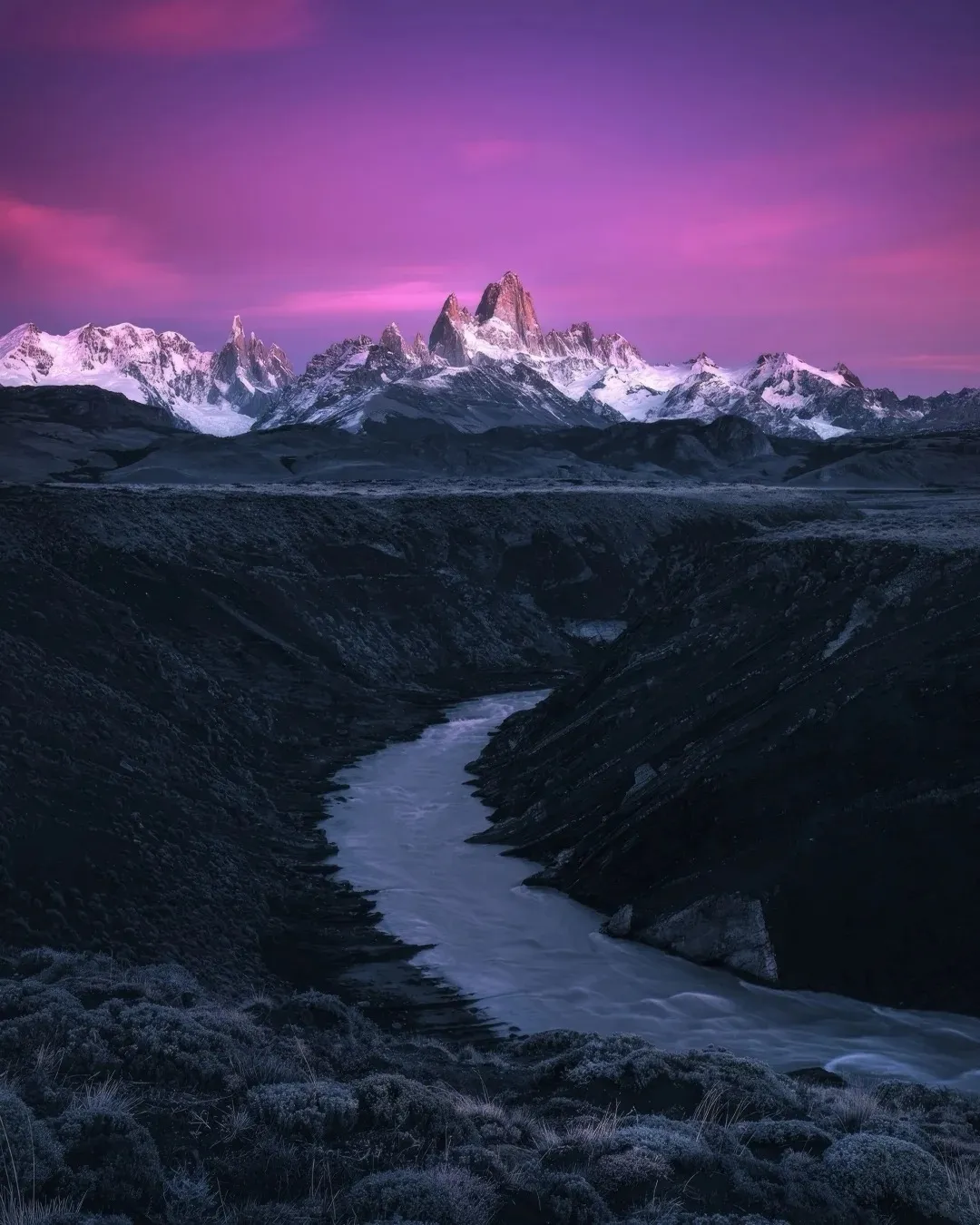
photo by Ramiro Torrents
With this kind of composition, one thing is especially important: the foreground should guide the eye, not take over the frame. If the foreground is too large, it can hide the main subject in the middle ground and background.
5. Try a Low-Angle Shot
A low angle is one of the most classic ways to use a wide-angle lens. Try crouching down, or even placing the camera close to the ground. This makes the foreground look bigger, gives the subject more power, and pushes the background higher and farther away.
Whether you are shooting buildings, people, or street scenes, a low-angle shot can easily create a bigger and more dramatic look.
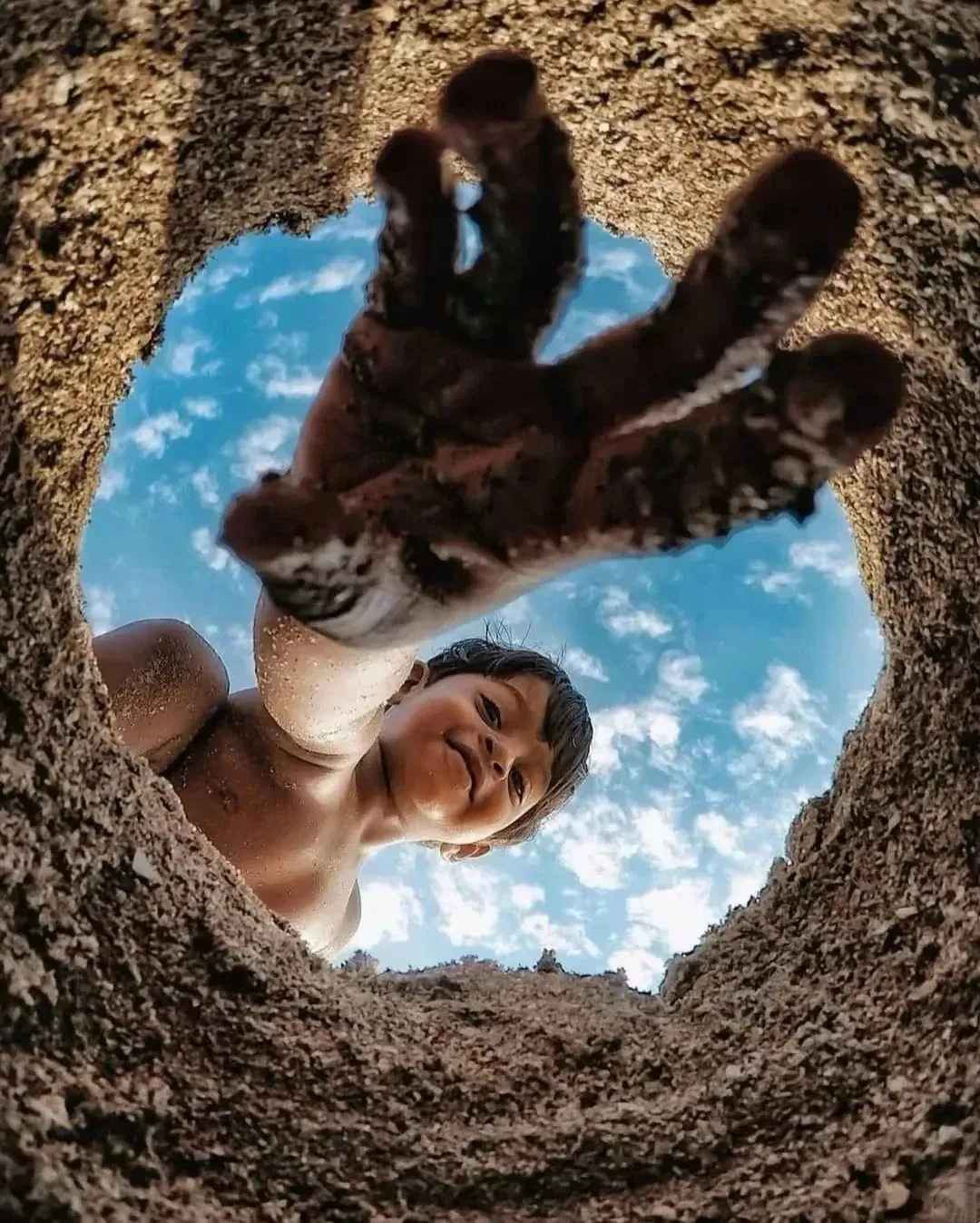
photo by Ganesh Vanare
When using this composition technique, make sure the subject is not too small or too large in the frame. In most cases, about one-fifth to one-third of the image is a good range.
The subject should also be clear and stand out as the only main focus in the frame. If there are too many subjects, it will distract the viewer.
Conclusion
A wide-angle lens may be the last lens many photographers think about buying, but it has always been loved for its strong sense of space and its bold visual impact.
Of course, owning a wide-angle lens does not mean you will automatically take great photos. If you try the composition tips we shared above, you will find that a wide-angle lens is not as hard to handle as it seems.
Besides the wide-angle composition tips above, different subjects also call for different ways of shooting with a wide-angle lens. Here are a few simple suggestions:
- For landscapes: use a low angle, add a foreground, and use leading lines. This helps avoid an empty-looking frame and adds depth.
- For buildings: keep the camera level and use a centered or symmetrical composition. This helps reduce distortion and makes the building look more stable and grand.
- For indoor scenes: stand in a corner and let the wide-angle lens stretch the space. This can make a small room feel much more open right away.
- For portraits: place the person in the center and shoot full body from a low angle. This can make the body look longer. Try to avoid close-up face shots, since they can cause distortion.
At the end of this blog, we would like to recommend TourBox, a creative controller loved by many photographers. Great photo work depends not only on shooting skills, but also on editing and color grading. TourBox is a tool that can help you work faster in post-processing.
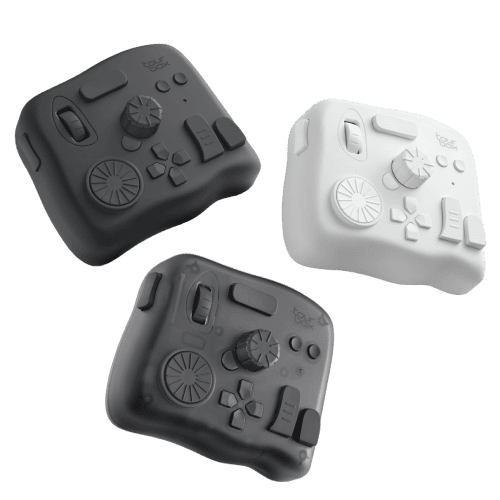
Still, speed means little if the quality is not there. That is why we recommend it even more. A workflow with TourBox can lead to final edits that are far better than the traditional way.
Using TourBox's physical dials to adjust settings is more precise and detailed than dragging sliders with a mouse. It makes it easier to notice small details that can make or break an image. You do not have to keep looking at the slider position. Instead, you can make small, step-by-step adjustments, just like fine-tuning focus by hand, until everything looks right.
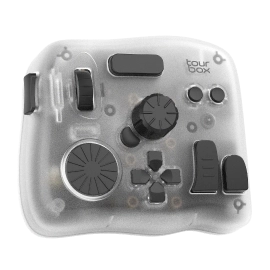
If you are interested in TourBox, please visit our Photo Editing page to learn more.


